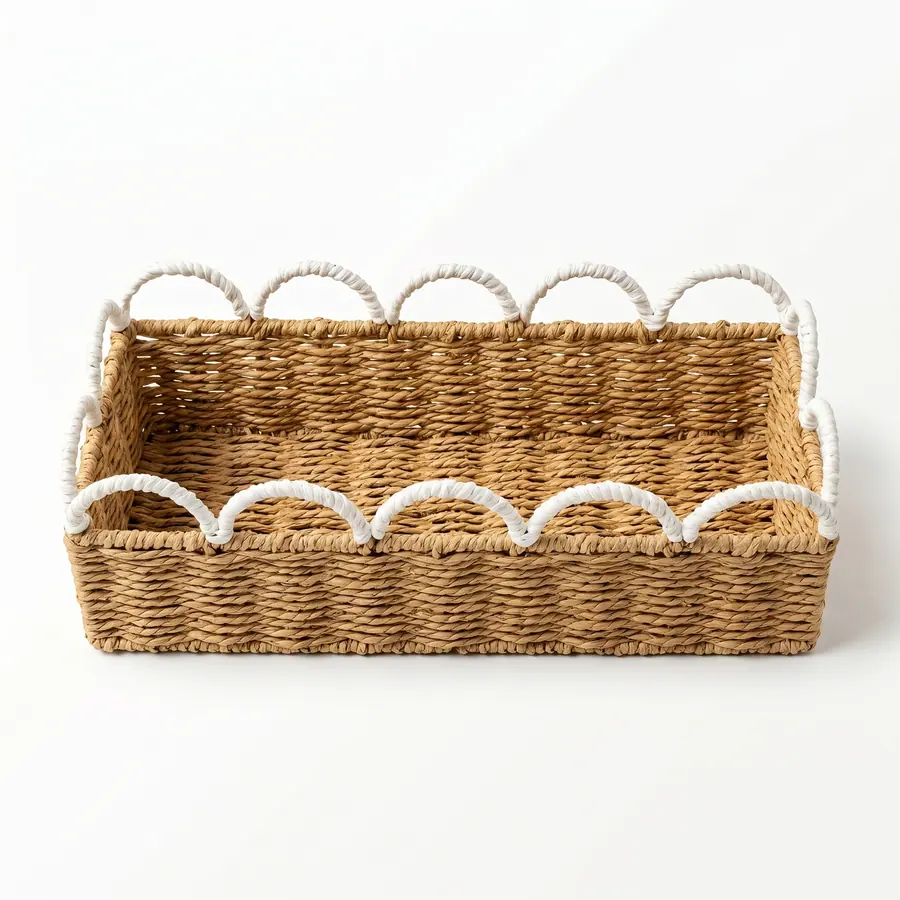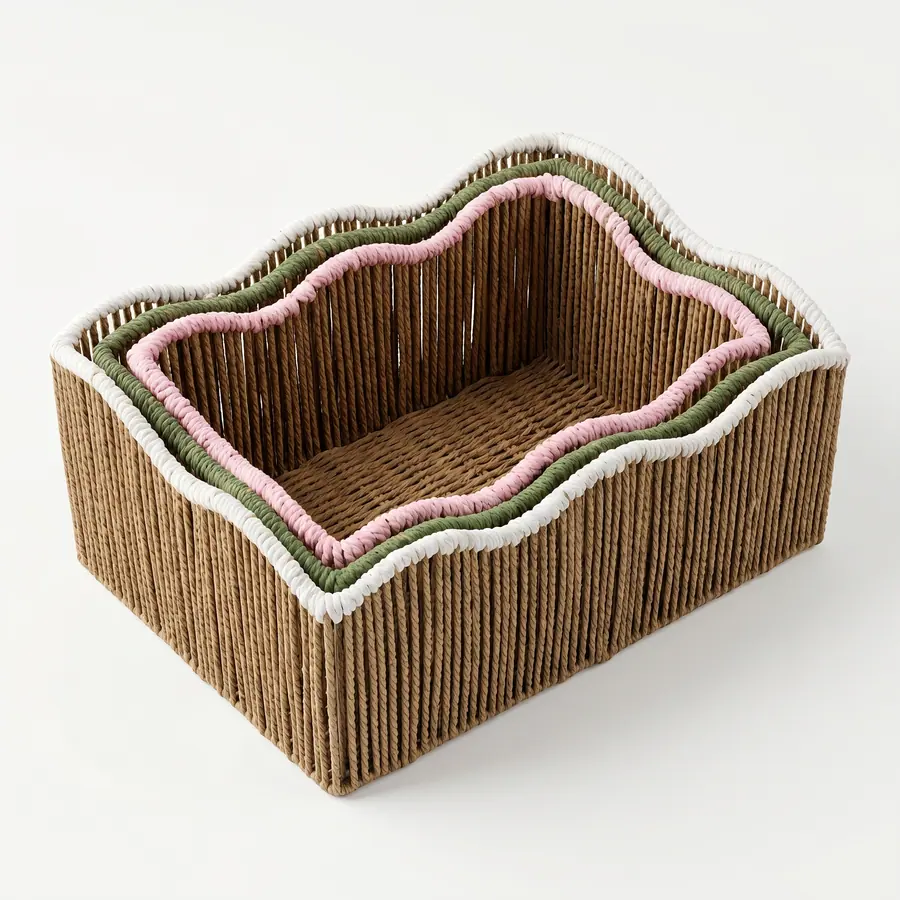
Gift basket and tray programs are presentation-led products. Buyers must approve the filled view, trim route, inner packing, label location, handle comfort, carton protection, and assortment relationship before treating the sample as order-ready.
This guide stays with gift and tray coordination. It does not claim a basket is reusable, compliant, durable, or sustainable unless the buyer supplies project-specific evidence.
Approve the filled view before the empty shape
For gift basket and tray program sourcing, this checkpoint focuses on representative contents, top view, side height, visible tag. The gift program buyer should write the decision in buyer language and attach the reference that proves the intended result. If a supplier proposes a shortcut, the response should explain what changes in appearance, packing, sample approval, or commercial basis.
gift presentation is reviewed as shoppers will see it. This is also where the buyer keeps evidence boundaries clear: project-specific load checks, tolerance ranges, compliance wording, and production timing are confirmed only when the method, owner, and acceptance rule are written for this exact program.
Control trim because it frames the gift
For gift basket and tray program sourcing, this checkpoint focuses on scalloped rim, color wrap, corner transition, handle binding. The gift program buyer should write the decision in buyer language and attach the reference that proves the intended result. If a supplier proposes a shortcut, the response should explain what changes in appearance, packing, sample approval, or commercial basis.
small decorative changes are approved through close-ups. This is also where the buyer keeps evidence boundaries clear: project-specific load checks, tolerance ranges, compliance wording, and production timing are confirmed only when the method, owner, and acceptance rule are written for this exact program.
For gift tray presentation sample, the internal links in this article support distinct decisions rather than a generic reading path. Use the linked category or guide pages to clarify references, then keep the article's commercial path and RFQ step explicit in the buyer brief.
Decide whether the basket is product or packaging
For gift basket and tray program sourcing, this checkpoint focuses on reusable storage role, presentation container, retail kit, seasonal tray. The gift program buyer should write the decision in buyer language and attach the reference that proves the intended result. If a supplier proposes a shortcut, the response should explain what changes in appearance, packing, sample approval, or commercial basis.
material and label choices follow the commercial promise. This is also where the buyer keeps evidence boundaries clear: project-specific load checks, tolerance ranges, compliance wording, and production timing are confirmed only when the method, owner, and acceptance rule are written for this exact program.
Plan inner packing before final quotation
For gift basket and tray program sourcing, this checkpoint focuses on insert, tissue, sleeve, divider, bag, retail box. The gift program buyer should write the decision in buyer language and attach the reference that proves the intended result. If a supplier proposes a shortcut, the response should explain what changes in appearance, packing, sample approval, or commercial basis.
quote includes what the recipient sees after opening. This is also where the buyer keeps evidence boundaries clear: project-specific load checks, tolerance ranges, compliance wording, and production timing are confirmed only when the method, owner, and acceptance rule are written for this exact program.
| Gift-program element | Buyer decision | Supplier proof |
|---|---|---|
| representative contents | top view, side height | gift presentation is reviewed as shoppers will see it |
| scalloped rim | color wrap, corner transition | small decorative changes are approved through close-ups |
| reusable storage role | presentation container, retail kit | material and label choices follow the commercial promise |
| insert | tissue, sleeve | quote includes what the recipient sees after opening |
| pressure points | separator plan, top trim | pack-out photo proves presentation survives handling |
Protect corners rims and handles in cartons
For gift basket and tray program sourcing, this checkpoint focuses on pressure points, separator plan, top trim, label face. The gift program buyer should write the decision in buyer language and attach the reference that proves the intended result. If a supplier proposes a shortcut, the response should explain what changes in appearance, packing, sample approval, or commercial basis.
pack-out photo proves presentation survives handling. This is also where the buyer keeps evidence boundaries clear: project-specific load checks, tolerance ranges, compliance wording, and production timing are confirmed only when the method, owner, and acceptance rule are written for this exact program.
Send base and upgrade options separately
For gift basket and tray program sourcing, this checkpoint focuses on plain tray, trim color, printed sleeve, individual box, filled-kit pack. The gift program buyer should write the decision in buyer language and attach the reference that proves the intended result. If a supplier proposes a shortcut, the response should explain what changes in appearance, packing, sample approval, or commercial basis.
supplier prices each option without mixing assumptions. This is also where the buyer keeps evidence boundaries clear: project-specific load checks, tolerance ranges, compliance wording, and production timing are confirmed only when the method, owner, and acceptance rule are written for this exact program.
Before release, the gift program buyer should send one file containing the selected references, the decisions above, quantities by variant, destination market, artwork status, pack-out expectations, inspection evidence, and unresolved questions. Submit the controlled request through gift product references; if the commercial path is not the final inquiry page, use it for selection and then move the confirmed brief to RFQ.
A useful gift basket and tray program sourcing record is narrow. It answers the manifest question for this article and points to other pages only when the buyer needs a different decision, such as material selection, factory checks, sample development, or quote comparison. That focus helps avoid cannibalizing adjacent sourcing guides.
Gift program release notes for presentation risk
For gift basket presentation control, the buyer should approve the product in the way the recipient or shopper will see it. That may mean a filled tray, an inner insert, a ribbon or trim view, a hangtag position, and the first view after opening the carton. Empty basket approval is only one part of the gift-program decision.
The final file should mark which elements are decorative and which are structural. A trim color can sometimes change seasonally, while a handle attachment or insert size may affect the product and packing. Separating these elements helps the supplier propose options without weakening the approved presentation.
A practical gift tray example is a wavy-rim tray that will hold a seasonal kit. The buyer should approve the filled top view, the trim close-up, the insert plan, and the label position before final quotation. If an upgrade such as a printed sleeve is optional, it should appear as a separate line so the base presentation remains clear.
The buyer should also review how the gift tray looks after the protective materials are removed. A tray can leave the factory with good protection but still show pressed trim, shifted inserts, or a label that no longer faces the shopper. Opening-sequence photos are useful because presentation is the commercial value of the program, not a decorative extra.
A final gift-program control is to photograph the tray after the proposed contents are removed. This confirms whether inserts, ties, or labels leave visible pressure points. The buyer can then decide whether the basket is only presentation packaging or should remain attractive as a secondary storage item.
For the gift-program route, browse presentation references in products, coordinate label and packaging decisions with the OEM and ODM page, align inspection stages with the factory overview, and release the tray program through RFQ.