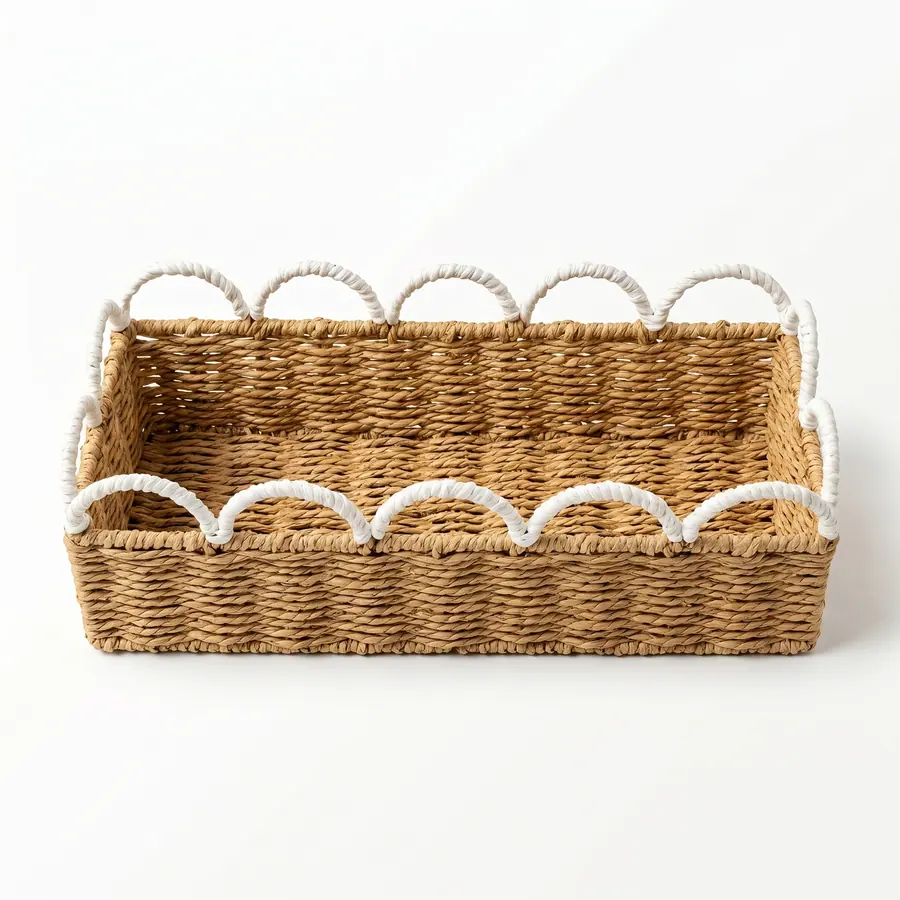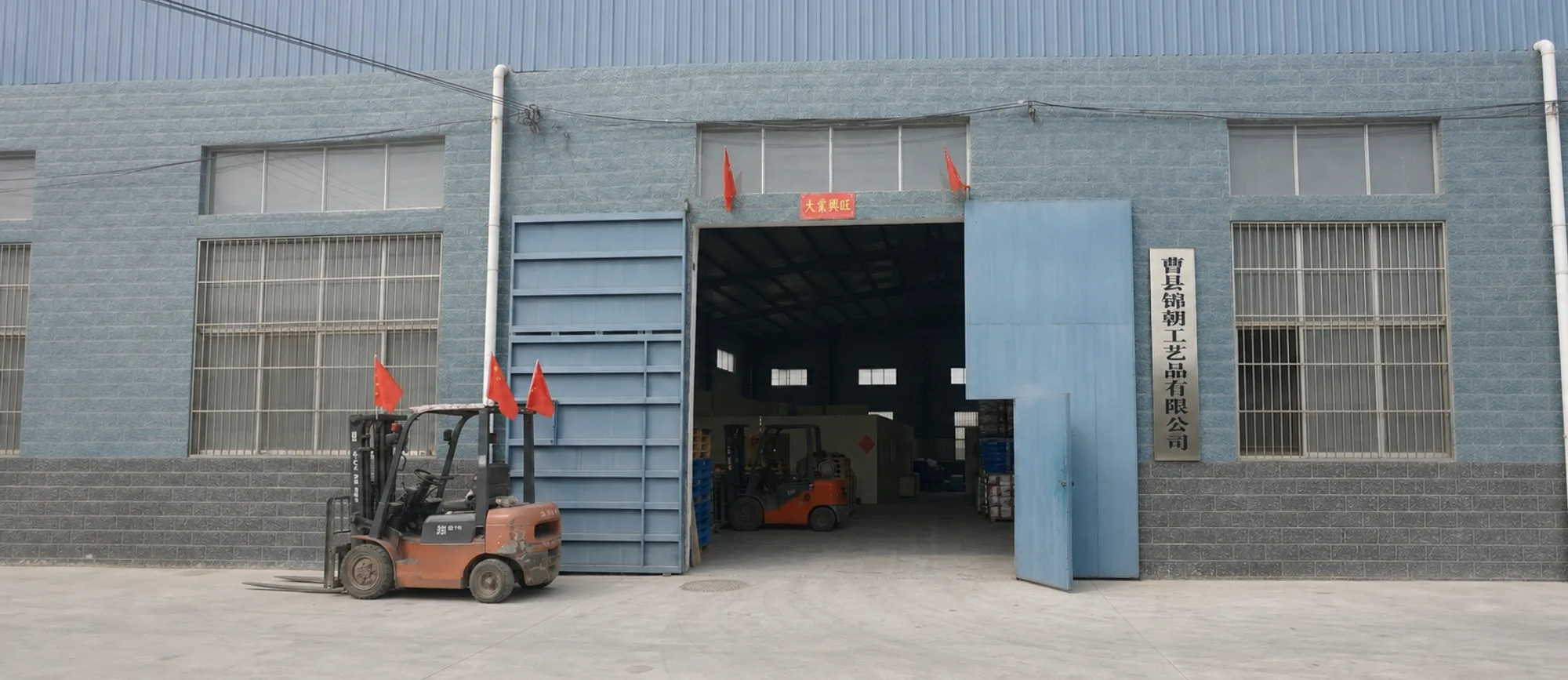
A factory visit for woven storage buyers should follow the path of an order, not the path of a showroom tour. The buyer should verify how a sample becomes instructions, how materials are identified, how weaving work is guided, how QC records are kept, how packing is controlled, and how exceptions are escalated before shipment.
This checklist is for a visit conversation. It does not replace a shipment inspection report or a product specification. Use the factory page for the commercial discussion and send follow-up requirements through RFQ. If the visit reveals a production-gate question, connect it to the relevant quality article instead of solving it only in conversation.
1. Start with one live order file
Ask to see one current or recently completed woven storage order file. The file should show the approved sample, specification revision, buyer comments, material notes, label artwork, packing plan, carton marks, and open questions. A factory that can show many products but cannot show the order file may still leave the buyer unsure how repeat production is controlled.
Do not ask only for best examples. A live file shows the real workflow: who updates revisions, how corrections are recorded, and whether sample approval travels from office to production floor. The buyer can compare the file with what appears later in material storage, weaving, QC, and packing.
2. Visit material storage with identification in mind
In material storage, look for separation and identification. Main fibers, paper rope, frames, liners, labels, trims, and packing materials should be distinguishable by order, component, or approval status where the project requires it. The visit question is not whether the shelves look impressive. It is whether an approved material can be traced into production.
Ask what happens when material differs from the approved reference. Who reviews it? Is the buyer asked before substitution? Is a new sample needed? These questions reveal whether material changes are controlled or handled informally.
3. Observe how weaving instructions reach workers
In the weaving area, look for the information workers actually use. Is there a sample, drawing, dimension note, color reference, handle position guide, rim instruction, or defect reminder nearby? Handmade production relies on repeated human decisions, so the instruction format matters.
Ask how supervisors check early pieces and feed comments back to the team. If the buyer’s product depends on shape consistency, connect the observation to shape consistency in handwoven basket production. If workers must rely only on memory, the buyer should treat repeatability as a risk to discuss.
4. Review QC stations as decision points
A QC table should show what is being judged, not just where goods are placed. Ask to see the current checklist, sample reference, defect examples, measurement tools, photo records, and correction log. The buyer should be able to tell whether QC is checking product identity, dimensions, shape, color, workmanship, labels, packing, or carton marks.
If the factory mentions ISO 2859-1 or another sampling approach, ask how the product-specific defect list is defined. A sampling reference can support inspection planning, but it does not replace the buyer’s own defect categories for the woven storage order.
5. Walk the packing area before reviewing finished cartons
Packing should be observed as a process. Watch how units are protected, nested, separated, labeled, counted, placed into cartons, and marked. Ask how mixed colors or sizes are controlled. A neatly stacked warehouse is less informative if the buyer has not seen how the carton was built.
For products that can deform or rub, ask how packing pressure is reviewed. If the buyer requires a pack-out photo before all cartons are sealed, note that requirement for the next order file. Packing observations often explain shipment complaints that appear unrelated to weaving.
6. Ask how exceptions move through the organization
A useful factory visit question is: what happens when a problem appears? Ask about color mismatch, wrong label, shape drift, loose handle, missing component, or carton mark error. The answer should name who reviews the issue, what evidence is collected, whether production pauses, and how the buyer is asked to decide.
Exception flow is more important than a claim that problems never happen. Handmade production needs a clear path for problems that do occur. A buyer should leave the visit knowing how questions move from worker to supervisor, QC, merchandiser, and buyer.
7. Factory visit evidence table
| Visit area | Buyer question | Evidence to request |
|---|---|---|
| Order file | Can the team identify the controlling revision? | Sample record and latest specification |
| Material storage | Can approved components be traced? | Component labels or batch notes |
| Weaving area | Do workers have usable instructions? | Sample, drawing, dimensions, defect reminders |
| QC station | Are checks tied to the order file? | Checklist, measurements, correction log |
| Packing area | Is the carton method controlled? | Pack-out sequence and mark photos |
| Exception flow | Are issues escalated before shipment? | Issue record and approval path |
8. Convert visit notes into sourcing actions
After the visit, avoid writing only “factory looks organized” or “quality looks good.” Convert observations into actions for the next order: required sample file, material approval evidence, first-unit photos, QC checklist, packing trial, or shipment-release report. If a gap matters, write it into the RFQ or purchase file.
For shipment release, use factory QC before woven basket shipment. For packing-related observations, use export carton planning for woven storage baskets. A factory visit is valuable when it changes the next order file, not when it produces only a general impression.
9. Ask for one example of a corrected issue
During the visit, ask to see one issue that was corrected in a recent woven storage order. It can be a label change, packing adjustment, material substitution, shape correction, or carton mark update. The useful evidence is the before record, the decision, the correction, and the final approval.
This request reveals how the factory handles real variation. A polished tour may show only ideal conditions, while a correction record shows whether the team can document problems and close them. The buyer should not demand confidential customer details; a redacted example or internal sample can still show the workflow.
10. Turn the visit into a supplier-question list
A visit should end with questions, not just impressions. Convert every gap into a supplier-question list: which file controls production, how material substitution is approved, when first-unit photos are sent, how QC defects are classified, how cartons are checked, and who approves shipment exceptions.
Send the list after the visit and ask for written answers. The answers become part of the next RFQ or purchase handoff. That is the difference between a useful factory visit and a tour that feels informative but does not change order control.
11. Compare what people say with what records show
During a factory visit, verbal answers are useful but should be checked against records. If the team says first-unit photos are sent before production expands, ask to see a recent first-unit record. If packing is said to be controlled, look for a pack-out note or carton photo. If label changes require approval, ask how that approval appears in the order file.
This is not an adversarial exercise. It simply separates process from intention. Many teams intend to control a step, but the record may not yet be consistent. A buyer who compares answers with evidence can turn the visit into practical improvements without making broad claims about the entire facility.