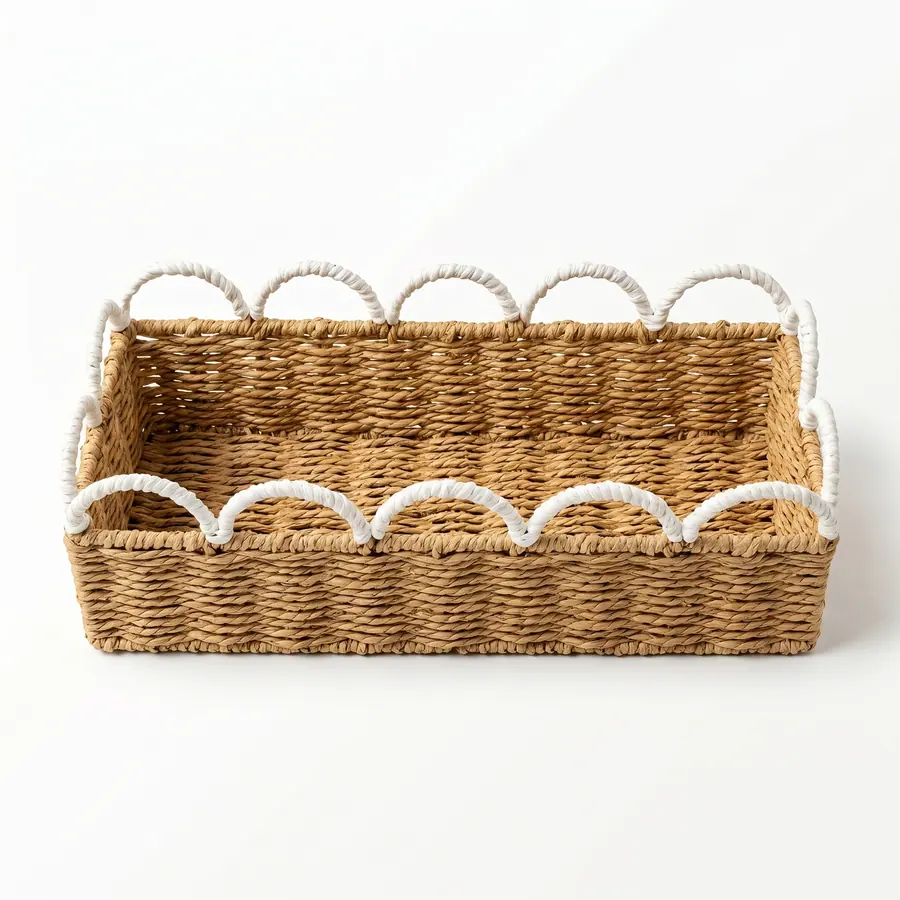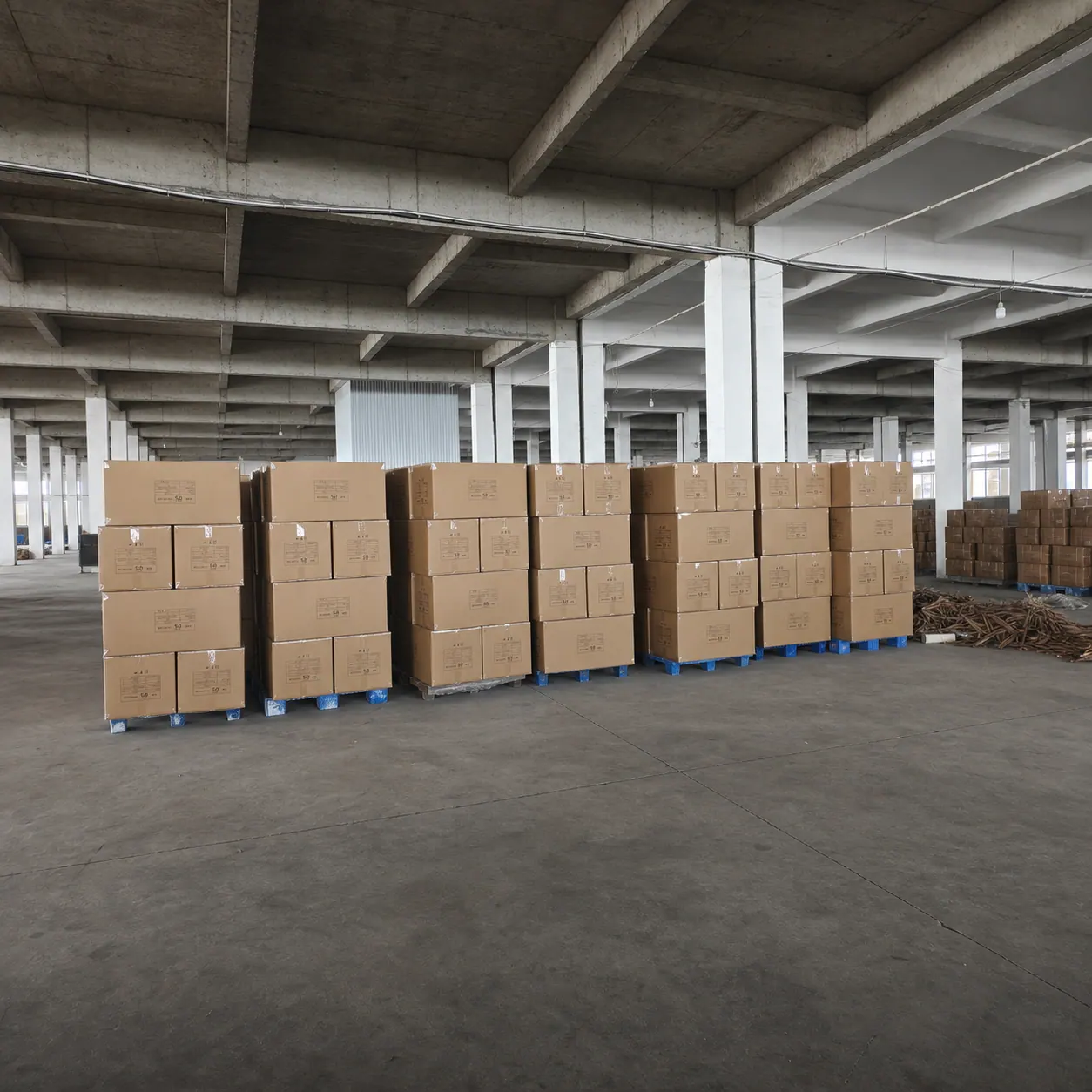
Moisture-risk packing for natural-fiber baskets should be planned as a controlled process, not as a last-minute request to add more plastic. Materials such as water hyacinth, seagrass, rattan-like fiber, paper rope, and fabric liners can be affected by drying condition, storage, weather, carton ventilation, and transit route. The buyer's job is to define the risk points and evidence needed for the actual shipment.
This guide does not claim that one desiccant quantity, carton type, or wrapping method will protect every basket shipment. It also does not certify any product against mold, odor, pests, or destination-market requirements. The practical objective is to help importers write clearer instructions before sampling, packing, inspection, and RFQ submission.
1. Identify the material and moisture-sensitive components
Start by listing every component that can be affected by moisture: natural fiber body, paper rope, wood or frame parts, fabric liner, cardboard insert, paper hangtag, adhesive label, printed belly band, inner bag, and master carton. A basket may use more than one material, and the most sensitive component may not be the main weave. A paper label trapped against a damp rim can create a problem even if the basket body looks acceptable.
Use the product specification to separate natural variation from shipment risk. Natural fibers can vary in color and texture, but visible dampness, odor concerns, surface contamination, deformed paper packaging, or unclear storage records need a different review. Ask the supplier to explain how goods are dried or conditioned before packing, where finished goods wait, and how cartons are kept off wet floors or exposed walls.
The material page on water hyacinth baskets is useful for understanding why material-specific notes matter. For paper-based programs, paper rope basket cautions can help buyers decide which details belong in the RFQ.
2. Do not confuse sealing with protection
A common mistake is to assume that tighter sealing always reduces moisture risk. If a natural-fiber product is packed before it is properly conditioned, tight wrapping may trap humidity inside the unit. If the route or warehouse environment is humid, a package with no plan for inspection or handling may still arrive with concerns. The question is not simply whether to use a bag; it is when the product is packed, what condition it is in, and how the package behaves during storage and transit.
For each SKU, define whether the product needs an inner bag, sleeve, tissue, separator, vented wrap, carton liner, or no individual bag. Record why that method was chosen. If a bag is used mainly for dust protection or label protection, do not describe it as a verified moisture barrier unless the buyer has defined and verified that requirement.
A trial pack-out should be opened after a reasonable holding period chosen by the buyer and supplier for the project. Check odor, surface feel, label adhesion, paper distortion, liner condition, rim shape, and visible marks. Photograph the products before packing, packed inside the carton, stored carton condition, and reopened goods.
3. Coordinate drying, storage, and carton timing
Moisture prevention starts before the final carton is closed. The production schedule should include material preparation, weaving or forming, finishing, drying or conditioning, packing-material readiness, first packed carton approval, mass packing, and final inspection. If cartons are ready too early but products are still conditioning, do not rush packing only to clear factory space. If products are ready but labels or cartons are delayed, define how finished goods will be stored safely.
Ask practical questions: where are finished baskets stored, how are they separated from damp floors, whether cartons are closed immediately or staged, how long packed cartons may wait before shipment, and what happens if weather or warehouse conditions change. These are operational questions, not claims that one facility condition will solve every risk.
The export carton planning guide should be read with this topic. Carton strength, carton size, inner protection, and stacking pattern affect airflow, pressure, and product shape. Packing that protects a rim from crushing should also be checked for trapped moisture around the same rim.
Approve one moisture-risk record for the actual shipment
A useful moisture plan connects product condition before packing with warehouse waiting time, loading conditions, the expected route, and the buyer-approved packaging method. It should record observations and responsibilities rather than promise that one bag, liner, or desiccant quantity will prevent every moisture-related problem.
| Control point | Information to record | Approval or evidence |
|---|---|---|
| Drying or conditioning | Material, process stage, timing, and the observable release condition agreed for packing | Dated production or pre-packing record |
| Finished-goods warehouse | Floor separation, wall clearance where relevant, carton staging, waiting time, and response to visibly damp conditions | Warehouse and staged-carton photos |
| Container and loading | Container condition observations, loading weather, carton exposure, and any buyer/forwarder loading instructions | Pre-loading and loading photos or agreed loading record |
| Route and timing | Season, expected route, transshipment or storage points, and known long waiting periods supplied by the buyer or forwarder | Shipment-specific risk note |
| Inner bag, liner, ventilation, or desiccant | Material, placement, quantity if applicable, intended purpose, and interaction with labels and natural fibers | Buyer-approved packing specification and trial pack-out |
| Escalation | What causes packing to stop, who reviews the concern, and what evidence is required before release | Named action owner and recorded decision |
Desiccants should not be added by assumption. Their type, quantity, placement, intended purpose, and compatibility with the product and packaging should be reviewed and approved by the buyer or other qualified party responsible for the shipment. The supplier can follow the approved instruction and document its application, but should not present the method as a universal guarantee.
The final moisture evidence should be included in the factory QC before shipment record, especially when the buyer requires warehouse, first-carton, container, or loading photographs.
4. Choose inner protection by contact points
Inner protection should follow the contact map of the basket. Identify where natural fiber touches natural fiber, where paper labels touch the weave, where fabric liners fold, where handles rub, and where nested baskets press against each other. The protection can be simple, but it must be placed at the real contact points.
For nested sets, review each layer. An outer basket may be dry and clean while an inner basket is difficult to inspect after nesting. Separators can reduce abrasion, but they can also hide a damp surface if goods are packed too quickly. For open baskets, check whether the interior needs protection from labels, inserts, or loose accessories. For lidded baskets, verify whether the lid is packed in place, separated, or protected from rim pressure.
The buyer should define which evidence matters: close-ups before nesting, separator placement, final nested set, top layer before carton closure, and reopened set after the trial carton. If an inspection company or buyer QA team is involved, align the photo list before goods are packed.
5. Treat cartons, pallets, and wood packaging separately
The master carton protects the product but may also be affected by moisture. Carton storage, floor contact, rain exposure during loading, and container conditions should be discussed with the forwarder and supplier. If pallets, crates, or other wood packaging are used, destination rules may require separate review.
USDA APHIS publishes official information about wood packaging material requirements for import and export movements. Basket buyers should not assume that a basket material note covers pallets, crates, dunnage, or other wood packaging. Confirm the packaging materials used in the shipment and ask the broker or forwarder which destination rules apply.
Keep this separate from product claims. A natural-fiber basket being packed in a carton is not the same thing as regulated wood packaging material. The reason to review official requirements is to avoid silent assumptions when a shipment uses pallets, bracing, or other materials outside the basket itself.
6. Build moisture checks into inspection evidence
Inspection should not only count cartons. For a natural-fiber shipment, the buyer may ask for evidence of product condition, storage condition, packing sequence, label condition, carton closure, carton marks, and warehouse staging. The inspection checklist should distinguish visual observations from any test the buyer specifically requires.
Avoid unsupported phrases that promise complete mold prevention, complete moisture prevention, perfect dryness, or assured safety. Replace them with observable checkpoints: no visible damp surface at inspection, no visible contamination on the inspected units, labels attached as approved, cartons stored off wet surfaces, and trial cartons reopened for review. If the buyer requires a moisture measurement or laboratory test, the method, instrument, sampling plan, and acceptance threshold must be defined by qualified parties.
Link the evidence to the shipment file. The final record can include dated photos, inspection comments, pack-out version, carton marks, packing list, and any buyer-approved deviations. This keeps the discussion factual if a warehouse later reports odor, carton softening, label damage, or surface marks.
7. Ask moisture-risk questions in the RFQ
Before quotation, add a short moisture-risk section to the RFQ:
- material and components that need conditioning or protection;
- proposed drying or conditioning confirmation before packing;
- inner packing method and reason for that method;
- carton storage and waiting-time assumptions;
- trial carton photos before and after reopening;
- label, hangtag, insert, and liner protection;
- shipment route, season, and warehouse handling notes supplied by the buyer;
- any destination-specific packaging review required by broker or forwarder;
- inspection evidence and escalation process for moisture concerns.
This list keeps the scope practical. It does not ask the supplier to guarantee every environmental condition after handover. It asks the supplier to state the packing method, identify assumptions, and provide evidence that the agreed method was followed before shipment release.
8. Keep moisture planning distinct from other quality topics
Moisture risk often appears together with deformation, odor, abrasion, label movement, and carton damage, but each problem needs its own cause review. A crushed rim may come from carton pressure rather than humidity. A loose label may come from the wrong surface rather than moisture. A color variation may be natural material variation rather than shipment damage.
For broader defect prevention, read common quality issues in woven basket orders. For carton quantity, marks, and pack-out evidence, use the export carton guide. Moisture planning should support those pages without turning into a broad claim that every natural-fiber basket can be protected by one packing formula.