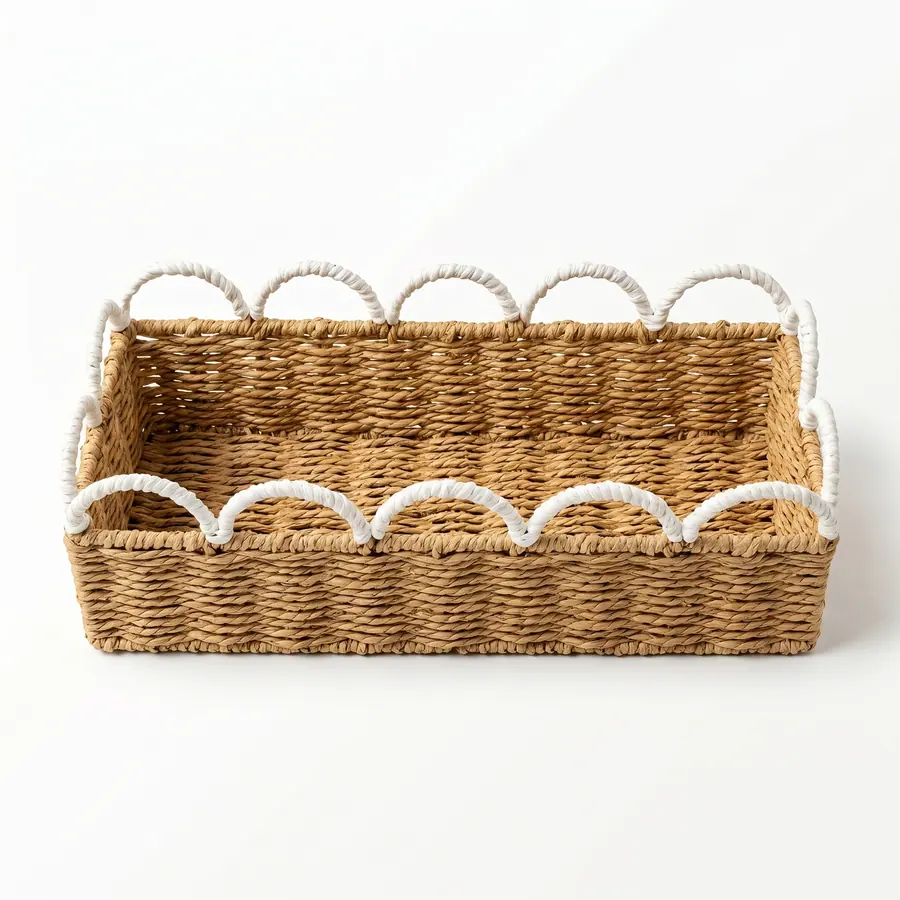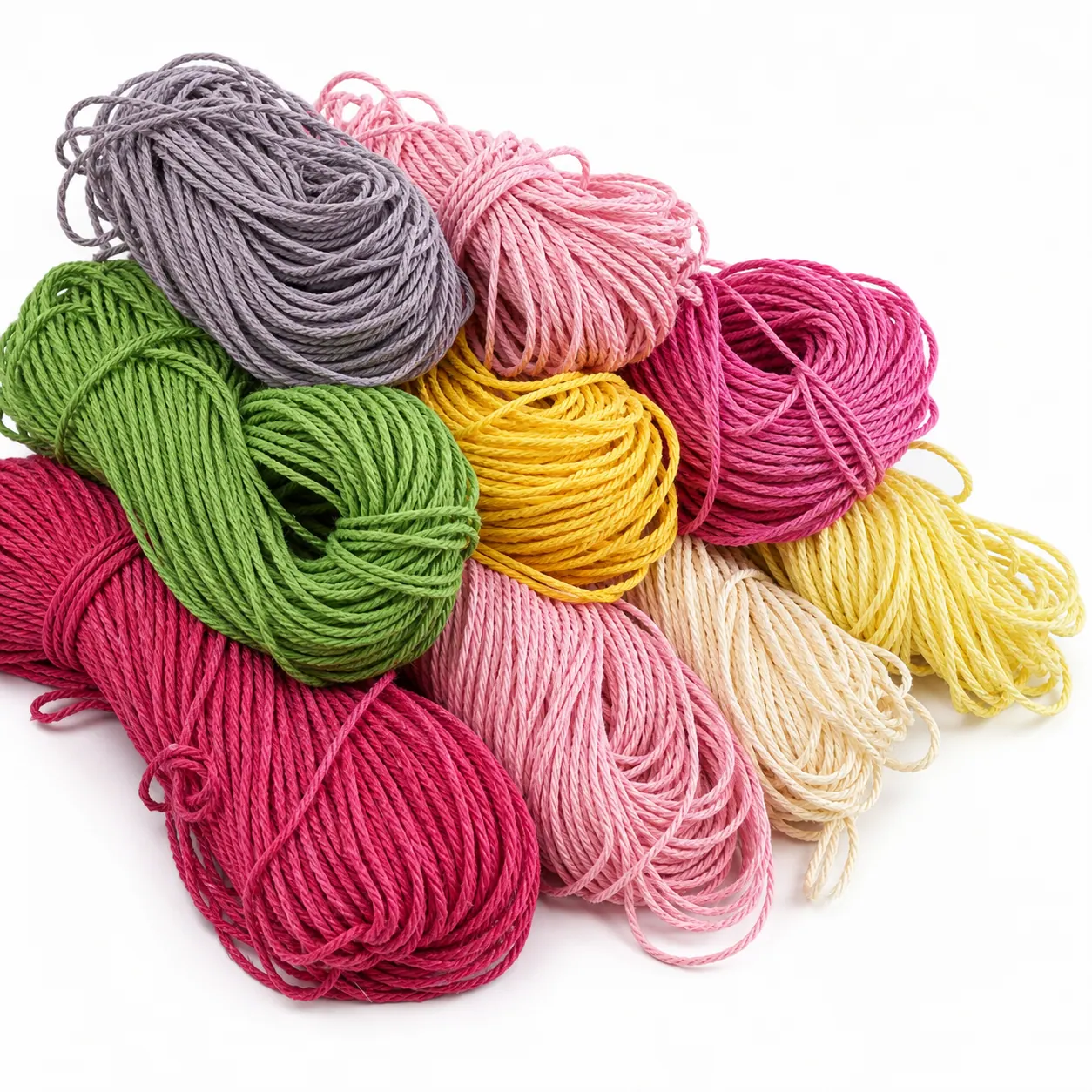
Color drift in handwoven basket production should be managed before it becomes a shipment argument. The buyer needs to define the color target, the review condition, the acceptable range, and the moment when a material batch must be approved or held. A color name alone cannot control natural fibers, paper rope, cotton rope, fabric liners, stitching, labels, and printed packaging.
This article focuses on color drift. It does not set a universal color tolerance or claim a product result. Buyers should connect color requirements to the factory process and submit project references through RFQ. When color is only one defect family, use the broader woven basket quality issue guide.
1. Choose the controlling color reference
A color reference can be a physical swatch, an approved material sample, a finished basket, a buyer-supplied standard, or a dated photo used only for direction. The order file should state which reference controls the decision. If there are several references, rank them so the factory does not guess which one wins.
Photos can be useful for remote review, but they are affected by light, camera settings, screens, and background. If color is commercially important, ask whether a physical reference, retained sample, or buyer-approved batch piece is needed before broad material preparation.
2. Define review conditions before comparing color
Color comparison changes with lighting. A basket can look warmer in warehouse light and cooler near a window. Define practical review conditions: neutral background, consistent light source, approximate distance, and whether the product is compared as raw material, finished piece, or packed set.
The goal is not laboratory precision unless the buyer requires a defined method. The goal is to stop teams from comparing different things under different conditions. A color decision made from a shadowed phone image should not silently control a full production batch.
3. Approve batches by component, not only by product name
Color drift often appears because components are approved separately. The woven body, trim, liner, stitching, label, and packaging insert may all carry color. Ask for batch evidence by component and then review the finished relationship. A liner that looks correct alone may be too cool next to a natural basket body.
For natural materials, decide whether the batch is acceptable as a range. If the order contains several sizes, compare the sizes together. A large basket and a small basket can look different because of weave direction, density, or surface exposure even when the material name is the same.
4. Separate expected variation from wrong direction
Handwoven products can show natural tone movement, but the buyer must define the boundary. Expected variation may include minor fiber tone movement within the approved family. Wrong direction may include a different color family, visible staining, mixed batches within one set, unapproved dye direction, or component color that changes the retail look.
Write examples in the order file. A short note such as “natural variation acceptable” is too broad. A better record says which material may vary, what relationship must remain, and which issues require buyer review before production continues.
5. Add color checks to production timing
Color should be reviewed at material preparation, first units, mid-production, finished goods, and packing when the color relationship affects the buyer program. The timing depends on risk. A single natural storage basket may need fewer color gates than a nested set sold as one retail unit.
If a drift appears in the first units, decide whether to continue, sort, rework, hold a batch, or request buyer approval. If the buyer accepts a borderline color, record the scope of that acceptance. Do not let one accepted exception become the new standard for future orders.
6. Review sets and assortments as they will be sold
Color drift is more visible when products sit together. Nested sets, mixed-color cartons, retail assortments, and ecommerce bundles should be reviewed in their selling relationship. Ask for photos of the full set, not only individual units. If several colors share a carton, confirm that carton packing does not mix unapproved batches.
Packaging can also affect color perception. A kraft label, white insert, fabric liner, or printed band can make the basket body appear warmer or cooler. Review the product with the intended retail components before closing the color decision.
7. Color drift decision table
| Decision point | Evidence | Buyer response |
|---|---|---|
| Reference selection | Swatch, sample, standard, or dated photo | Name the controlling reference |
| Review condition | Light, background, view distance | Confirm comparison method |
| Material batch | Component photos or retained pieces | Approve, hold, or request replacement |
| First units | Finished baskets near reference | Continue, sort, or adjust direction |
| Set relationship | Nested or assortment photos | Approve relationship or regroup |
| Repeat order | Old sample and latest batch record | Match prior shipment or updated target |
8. Connect color records to repeat production
Color drift is a repeat-order risk. The next batch may not match the old shipment unless the buyer states which reference controls the repeat. Use the original sample, previous shipment photos, accepted exception notes, and buyer feedback to decide the target.
For sample approval, connect color records to woven basket pre-production sample review. For production timing, include color gates in the bulk production gate checklist. A color plan is useful only when it tells the supplier when to ask, when to continue, and when to stop.
9. Decide how to handle mixed cartons and partial batches
Color drift becomes harder when one shipment uses more than one material batch. If partial batches must be combined, the buyer should decide whether batches can be mixed within one carton, separated by SKU, grouped by shade, or held for buyer review. This decision should happen before packing, not after cartons are closed.
The packing list can include a simple batch note when color is critical. It does not need to expose every internal detail, but it should let the team trace which group was shipped if the buyer later questions shade differences.
10. Use buyer feedback to refine the color boundary
After a shipment, buyer feedback can reveal whether the approved color range was too loose, too strict, or unclear. If customers or retail teams commented on shade, set relationship, or component mismatch, keep those comments with the color record. The next order should then state whether it follows the original sample, the latest accepted shipment, or a revised target.
Color control improves when the boundary is updated from real decisions. It becomes weaker when every repeat order starts again from a color name.
11. Avoid approving color from isolated close-ups only
Close-up material photos are useful, but they can hide the overall color relationship. A tight photo of paper rope may look acceptable while the finished basket appears too warm beside a liner or too bright beside a label. Ask for both close-up and full-product views when color matters. For sets, request the complete set in one image.
This rule is especially useful for remote approvals. The buyer can approve the material direction from a close-up, then reserve final color relationship approval until a finished unit or set photo is available. Separating these decisions reduces the pressure to approve more than the evidence actually proves.
12. Name the person who can approve a borderline shade
Borderline color decisions should have an owner. If a merchandiser, designer, buyer, or quality reviewer has authority to accept a shade, name that role in the color file. Without an owner, production may wait while every team asks another team for confirmation.
This is especially important near packing. A batch that is close but not clearly inside the boundary should not move into sealed cartons until the approval route is known.