Direct answer
No material is universally best. Paper rope, water hyacinth, seagrass and cotton rope should be compared as complete constructions, not as names or photographs. Buyers should define intended use, shape, surface, frame, packing and claim requirements, then approve the actual material reference and finished sample. Price, MOQ, lead time, load performance and environmental outcomes remain project-specific. A valid comparison therefore links each option to a controlled sample, construction specification, acceptance method, and stated evidence limit instead of inferring performance from fiber category.
8 Real Paper Rope vs Water Hyacinth Sample Pairs
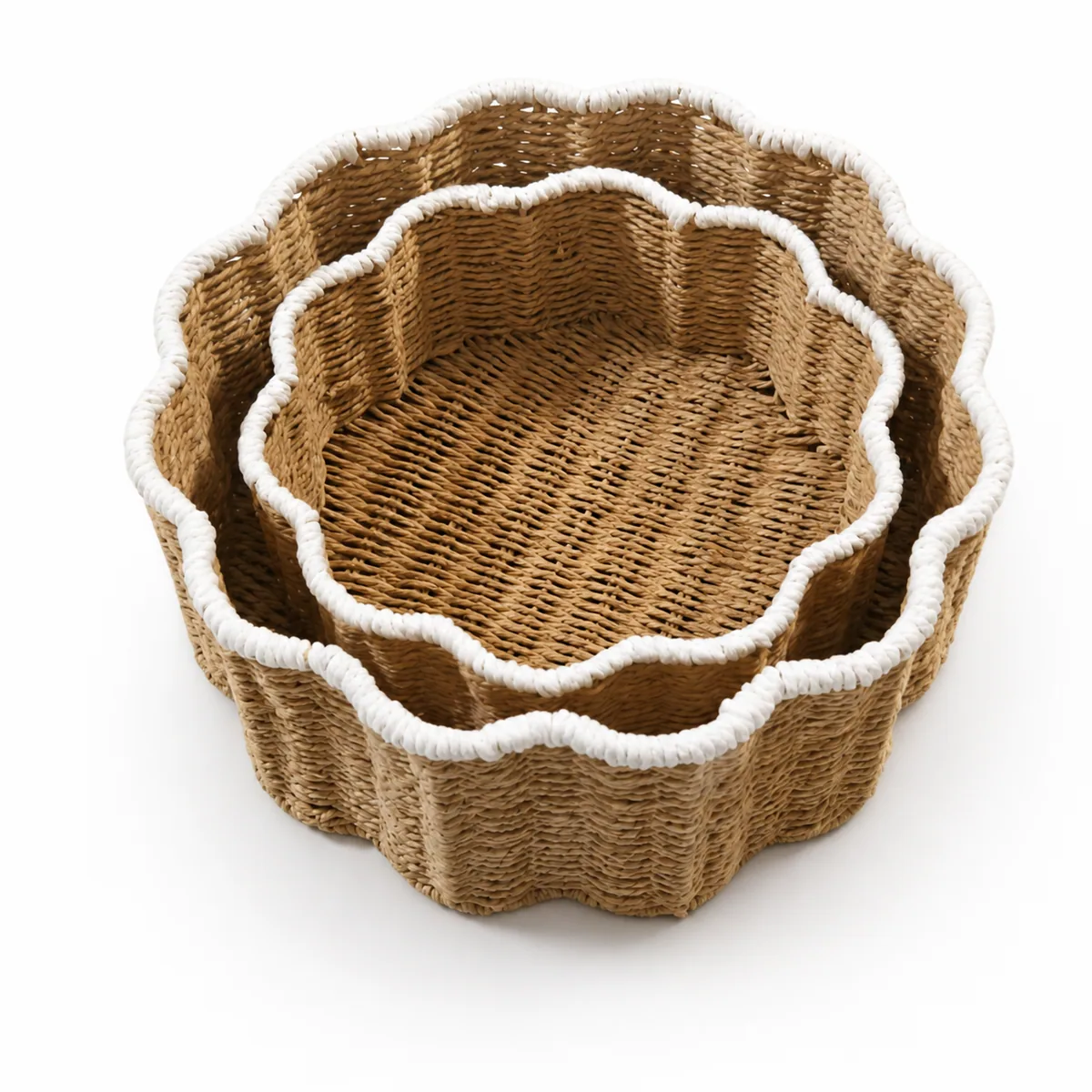
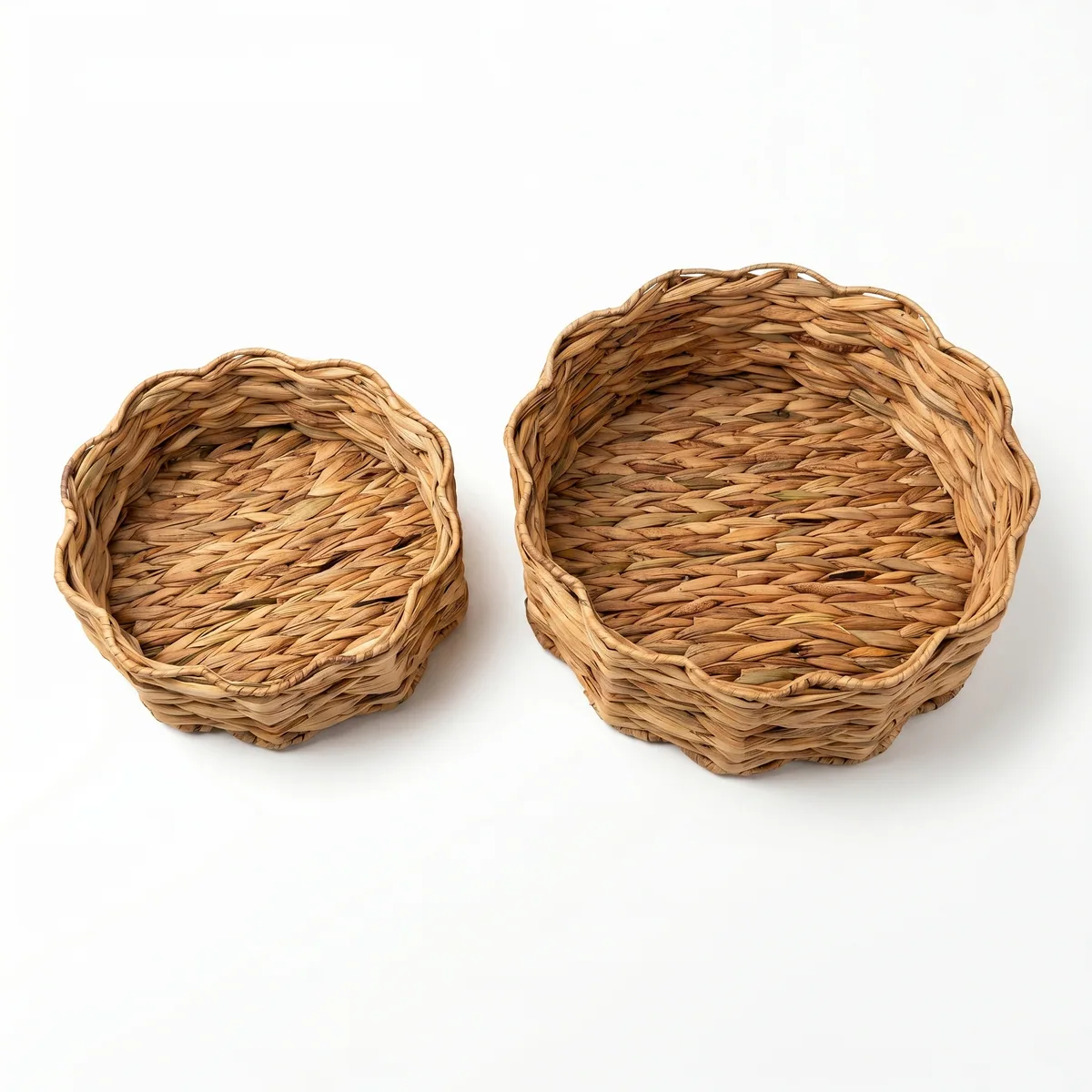
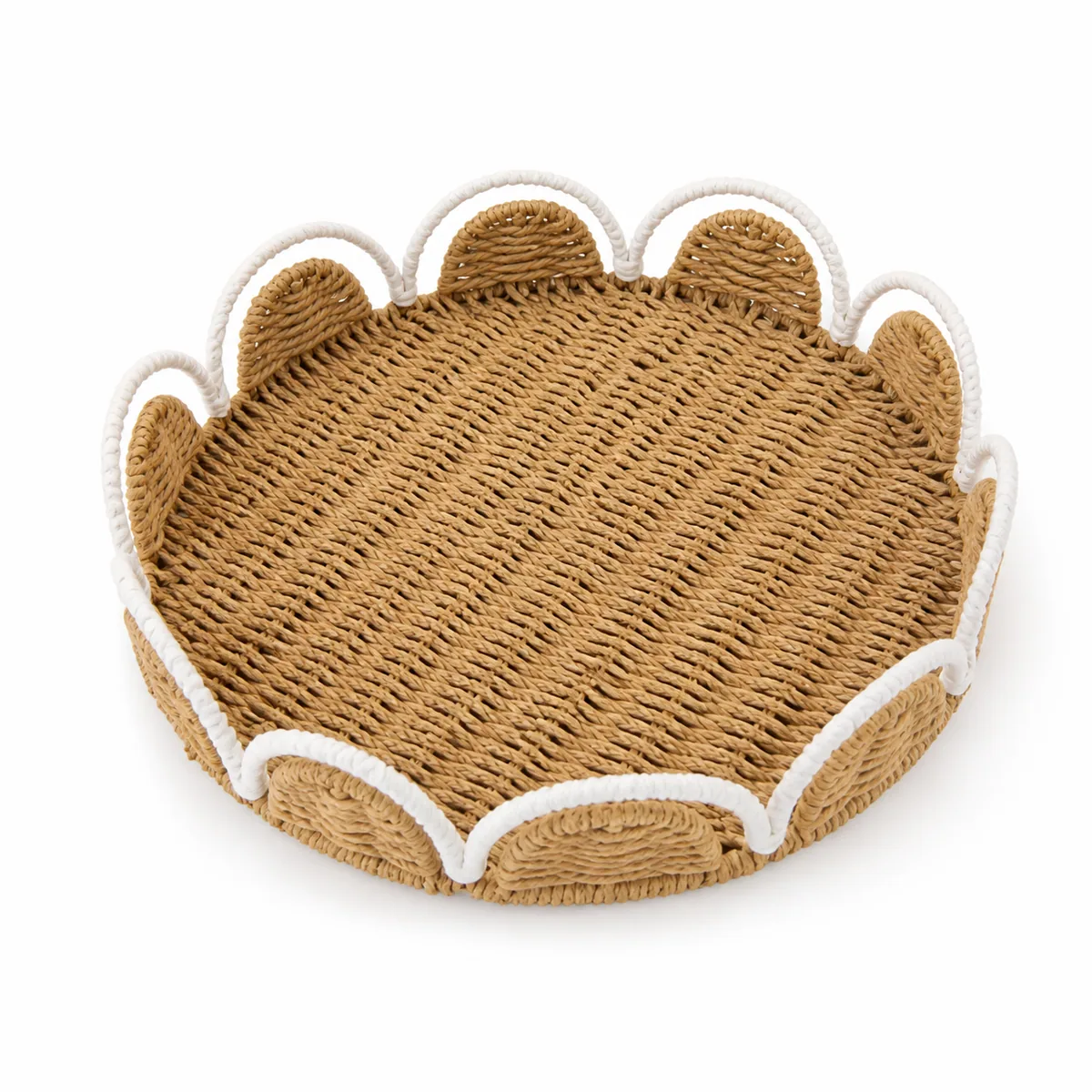
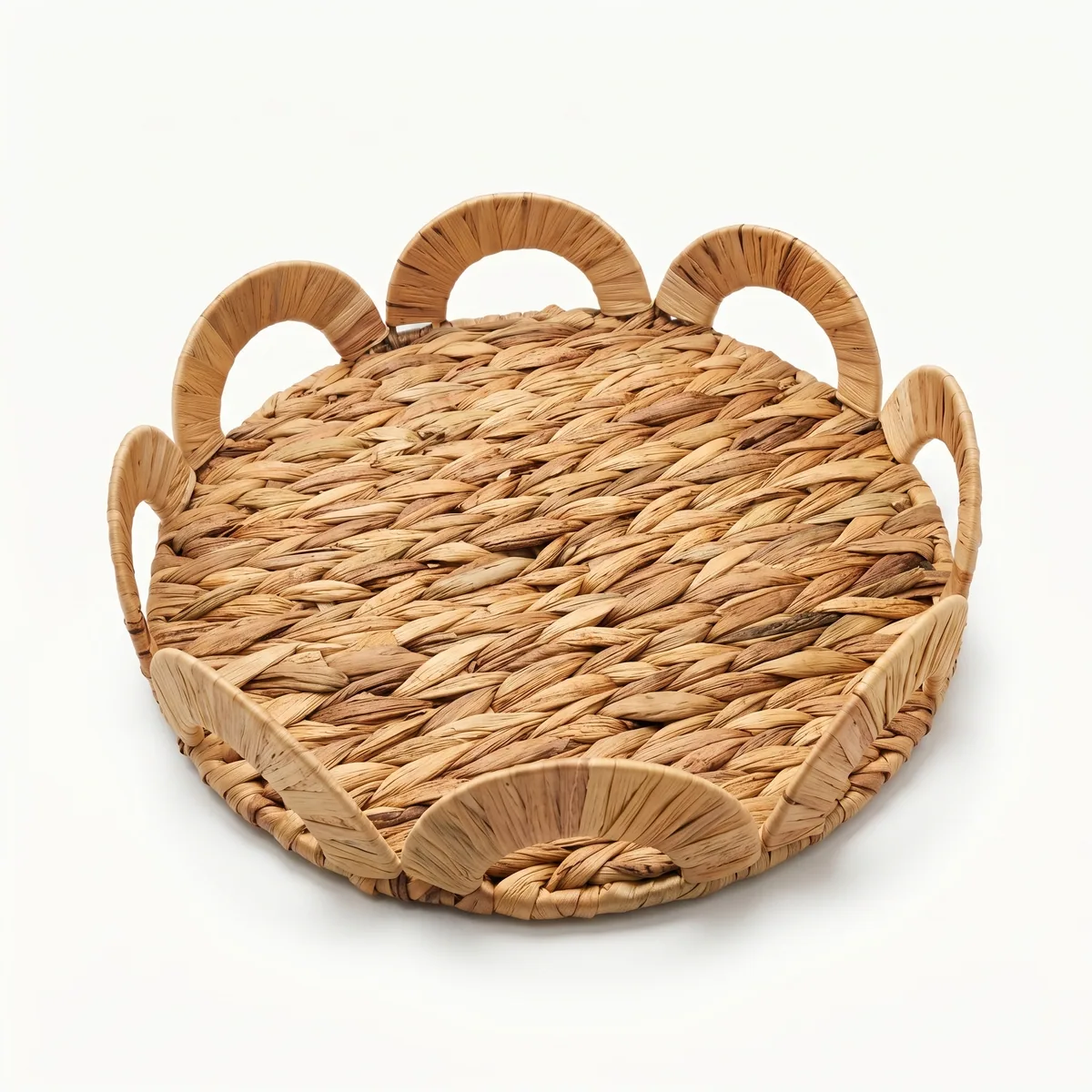
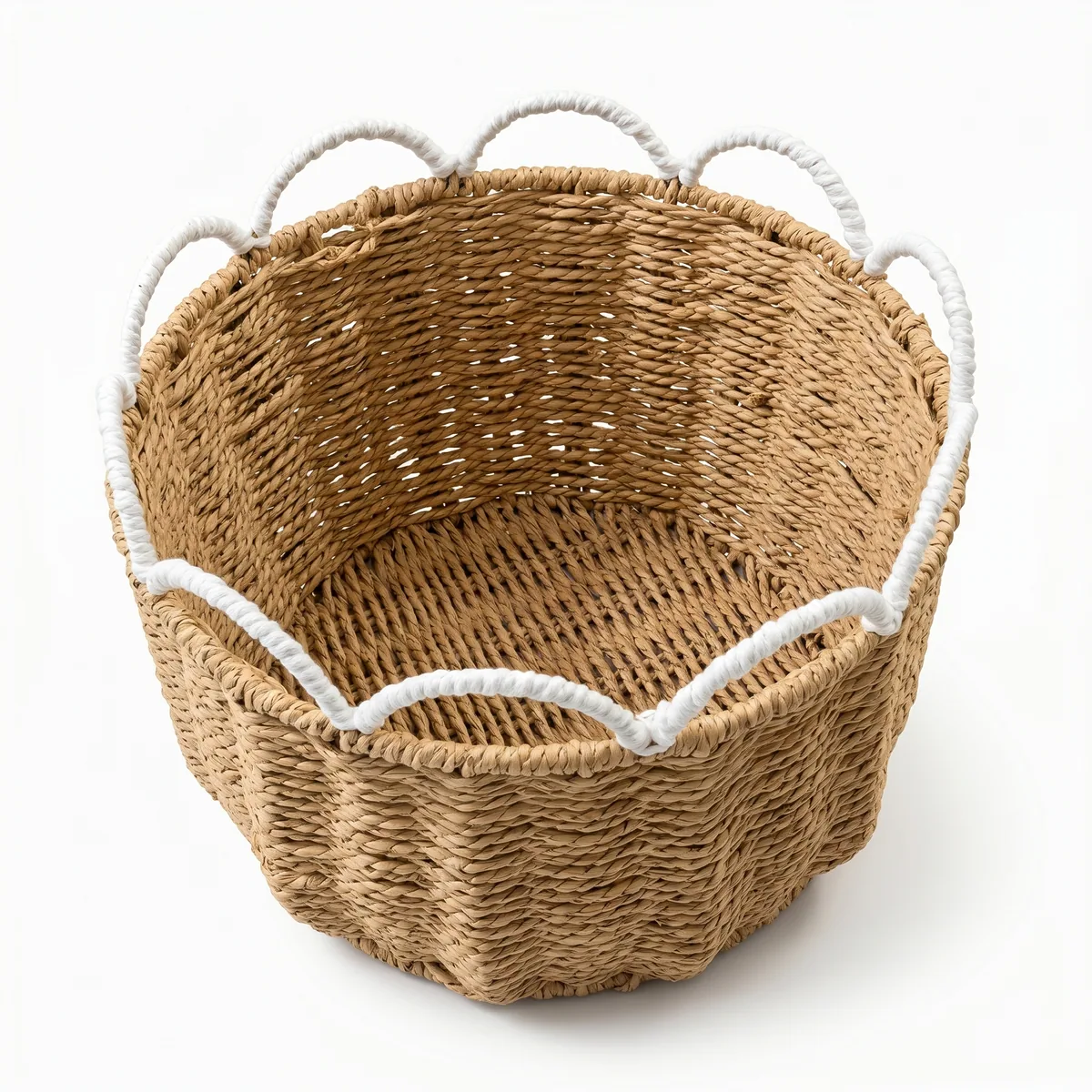
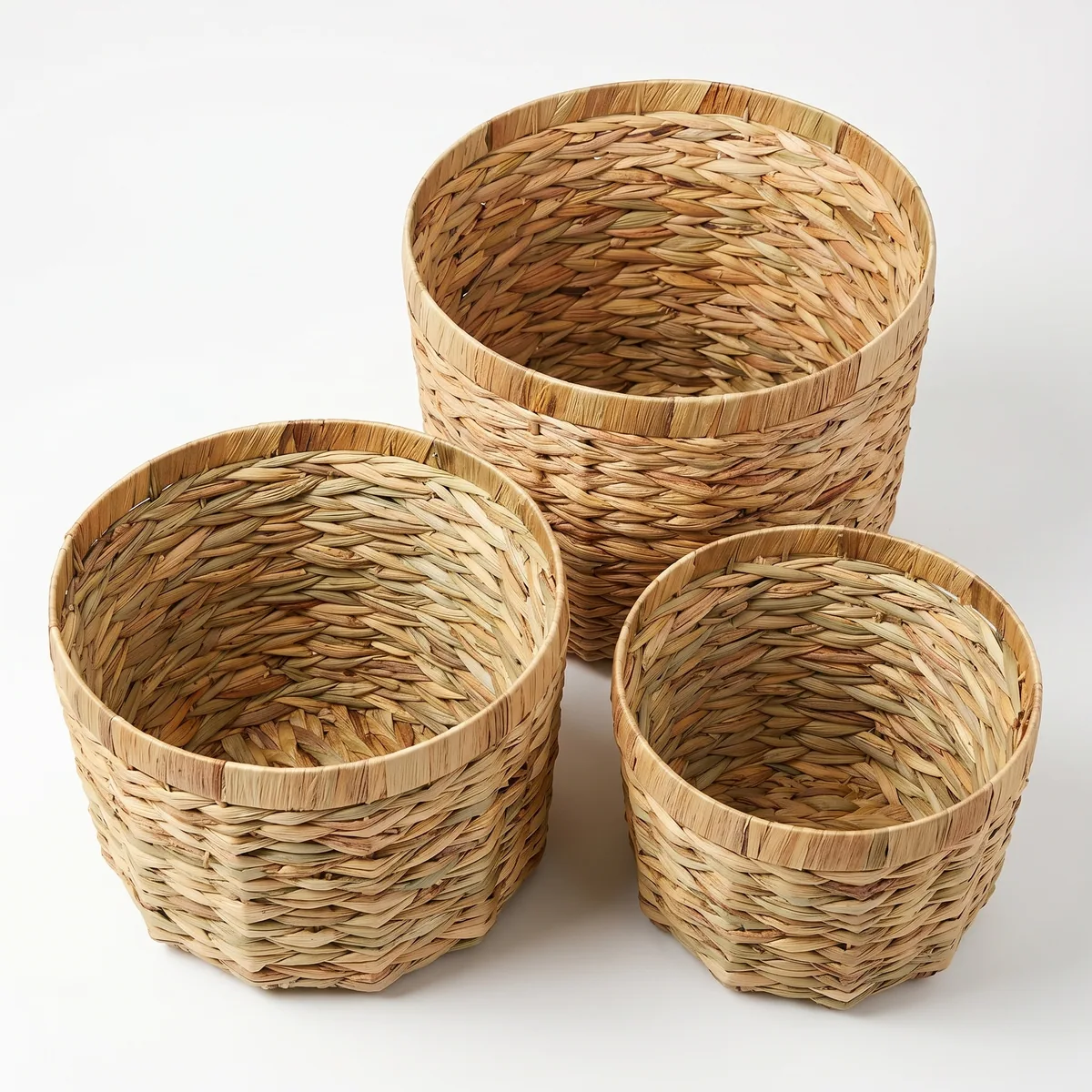
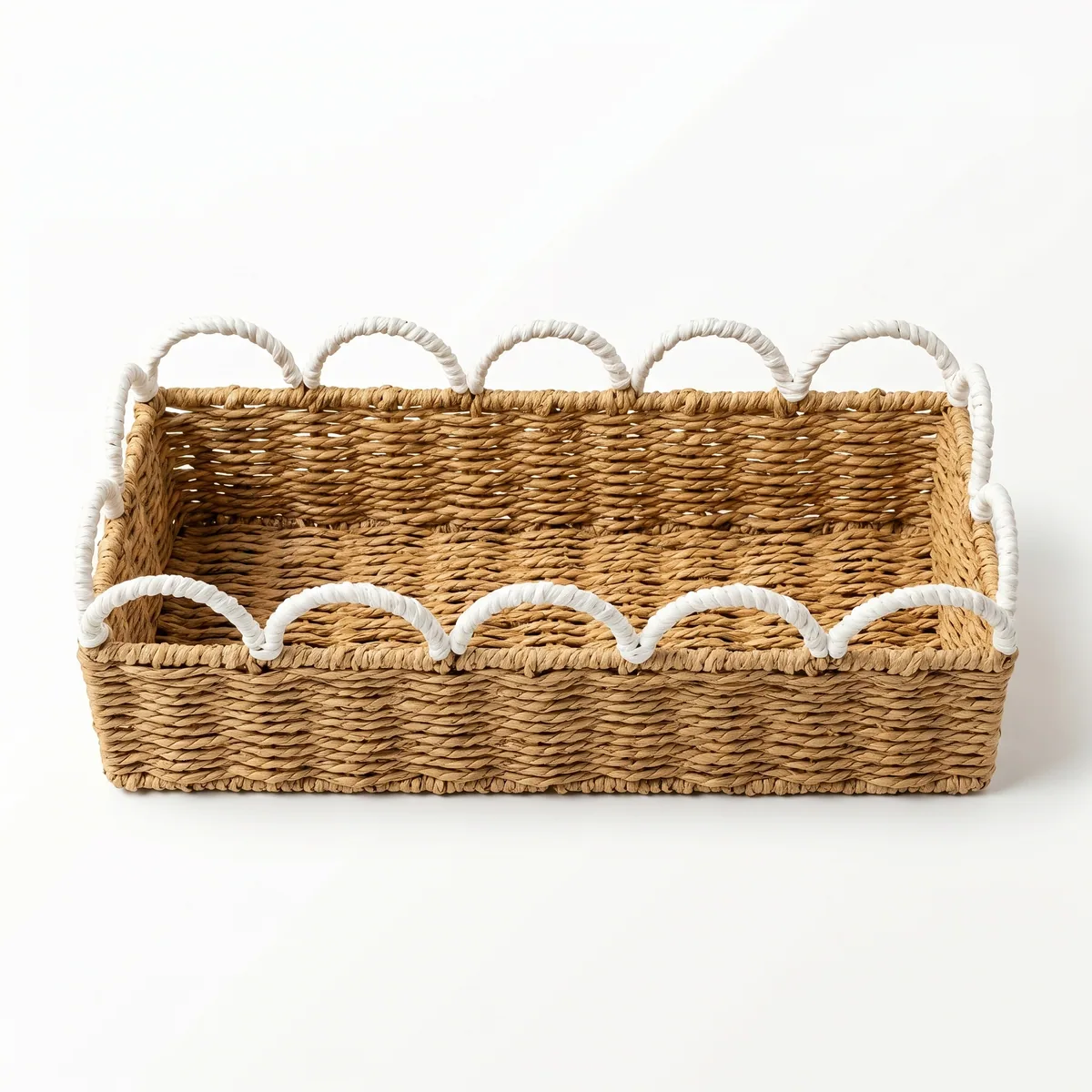
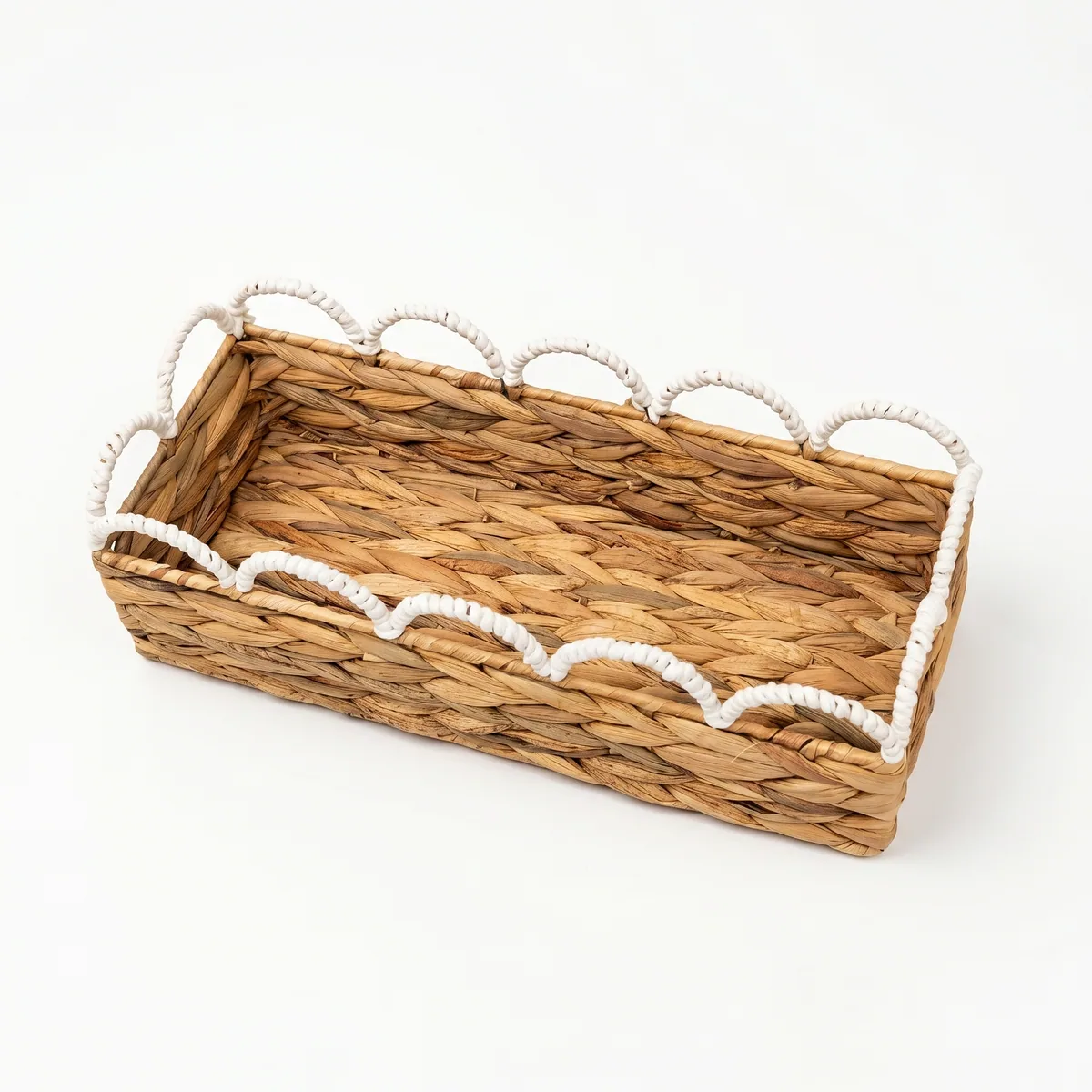
These eight paired designs are real JINZHAO CRAFT samples made in paper rope and water hyacinth. The photographs isolate visible differences in strand scale, weave rhythm and natural variation while keeping each corresponding design together.
Photo provenance: 16 owner-confirmed original sample files from the JINZHAO CRAFT sample archive, reviewed on August 8, 2026. The web images were resized and compressed only; no generated composites or long-poster artwork are used.
- 8 paired sample designs
- 16 original sample photographs
- Paper rope vs water hyacinth
The photographed samples show finer woven elements, a more regular row rhythm and more precise definition around shaped rims.
The photographed samples show broader natural-fiber elements, fuller texture and more visible variation in tone and strand width.
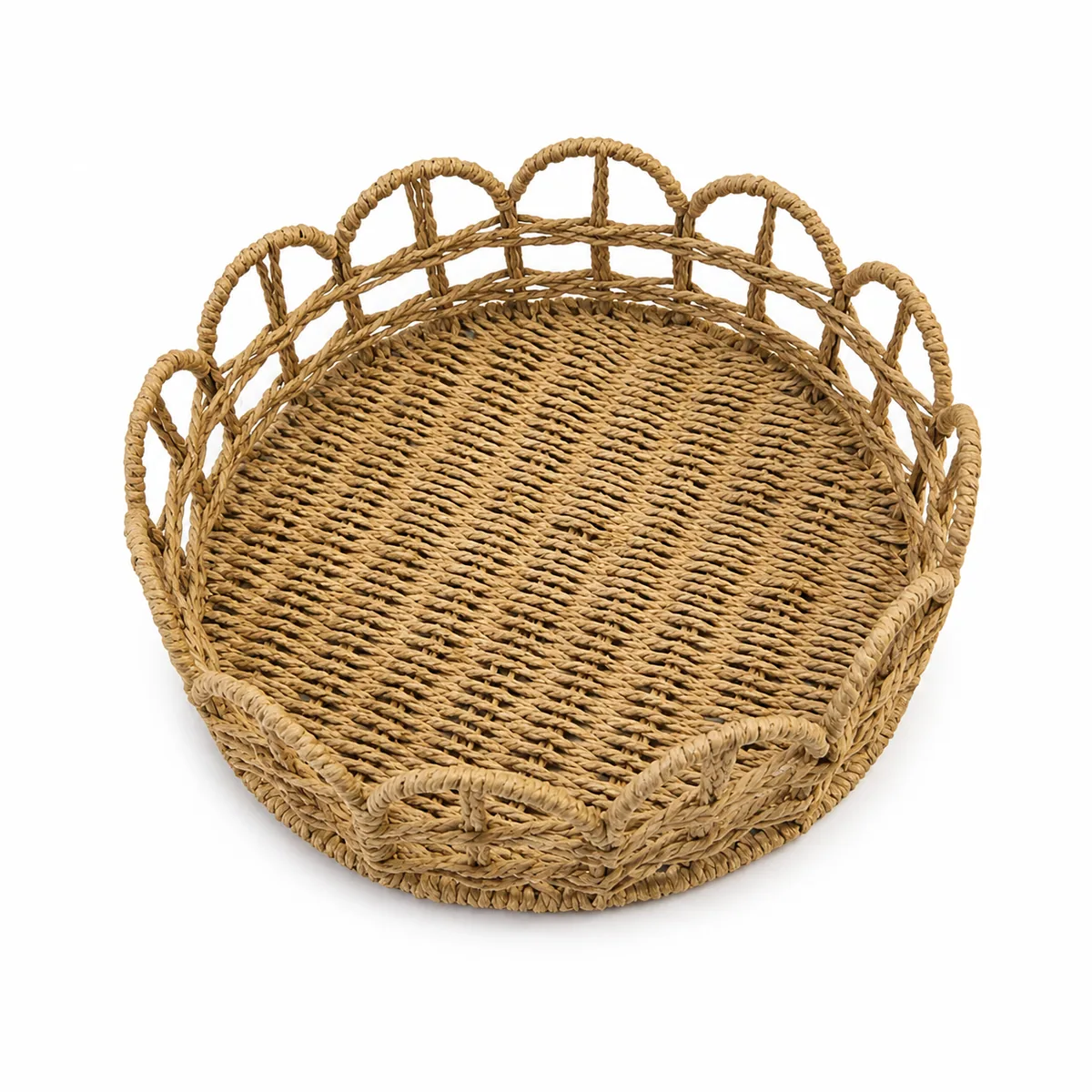
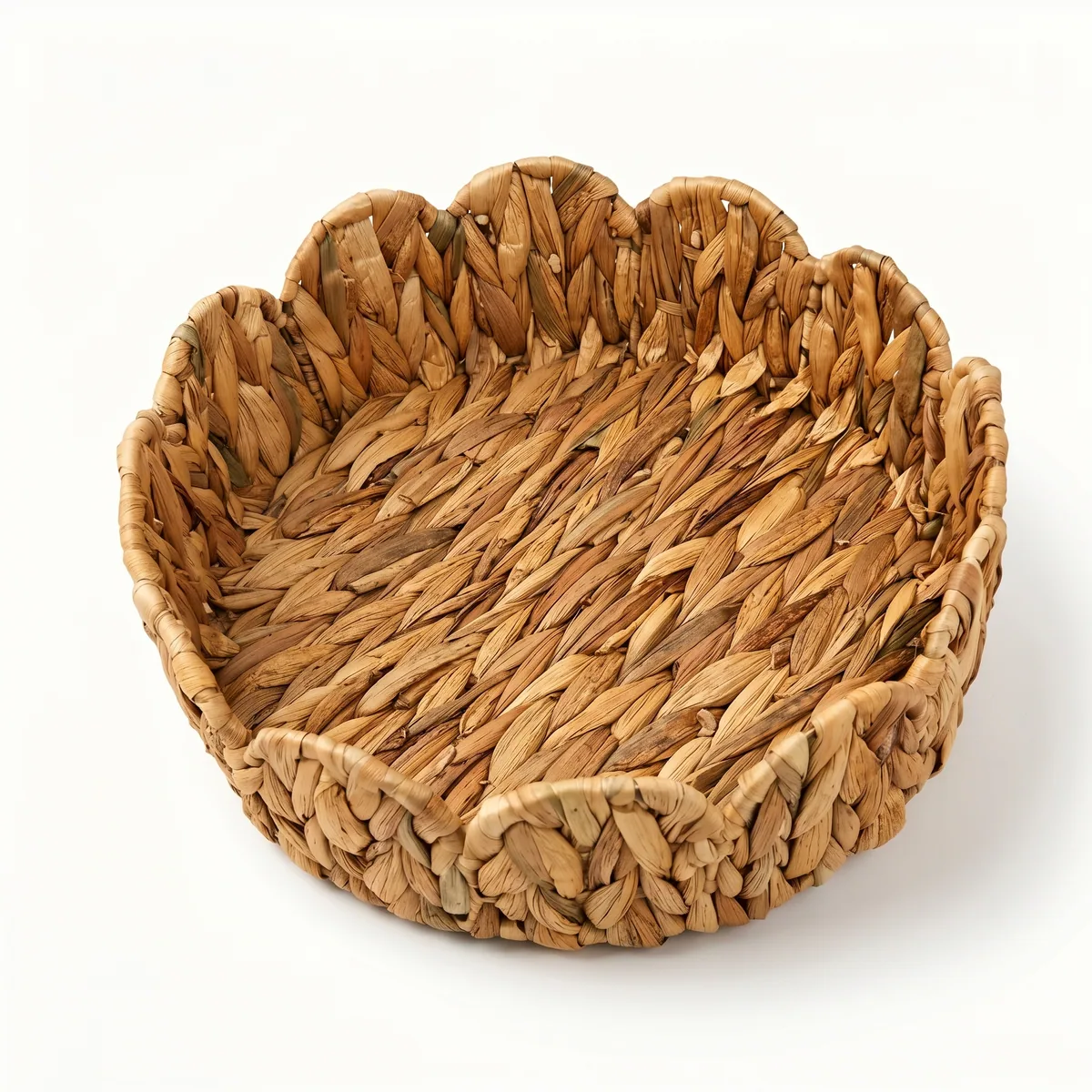
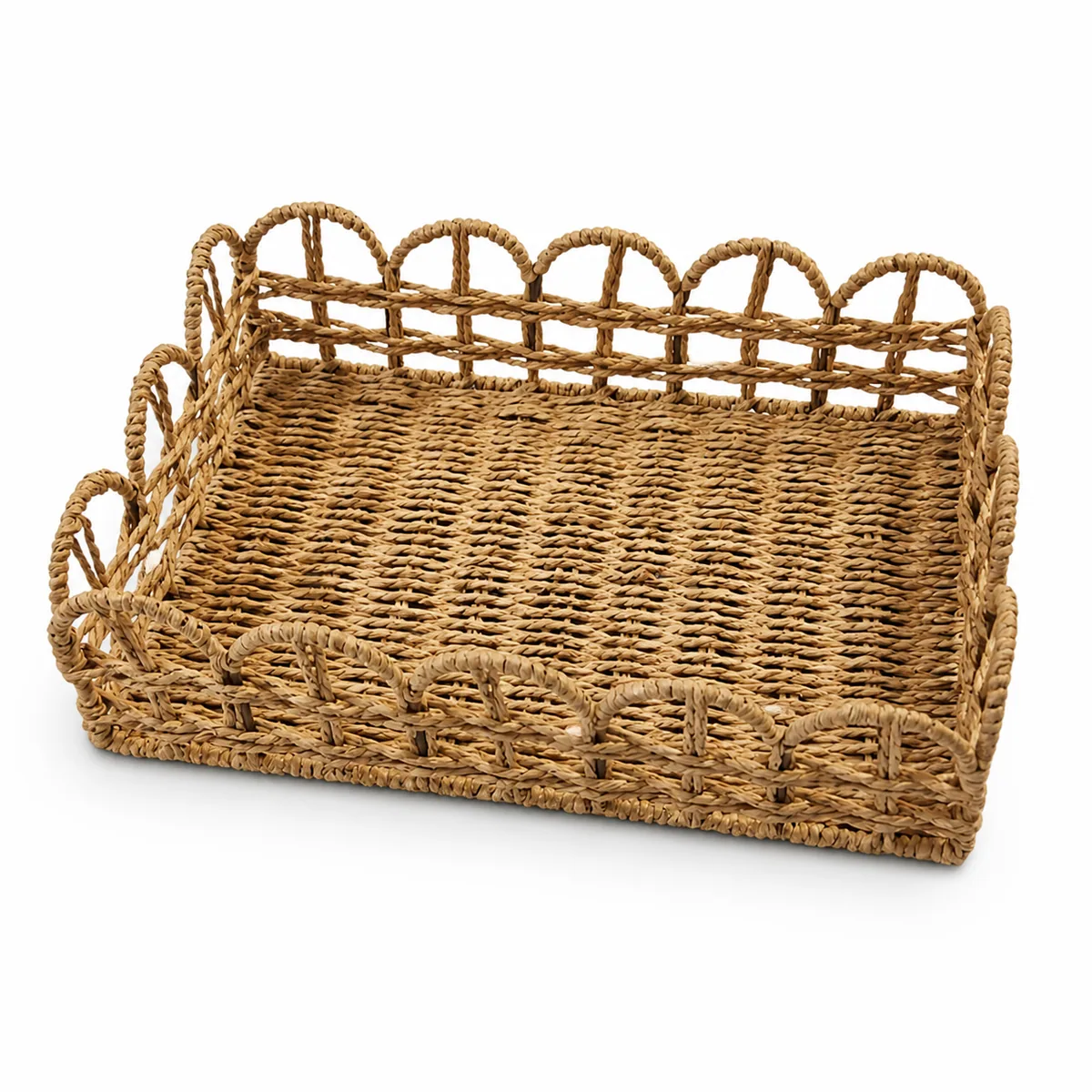
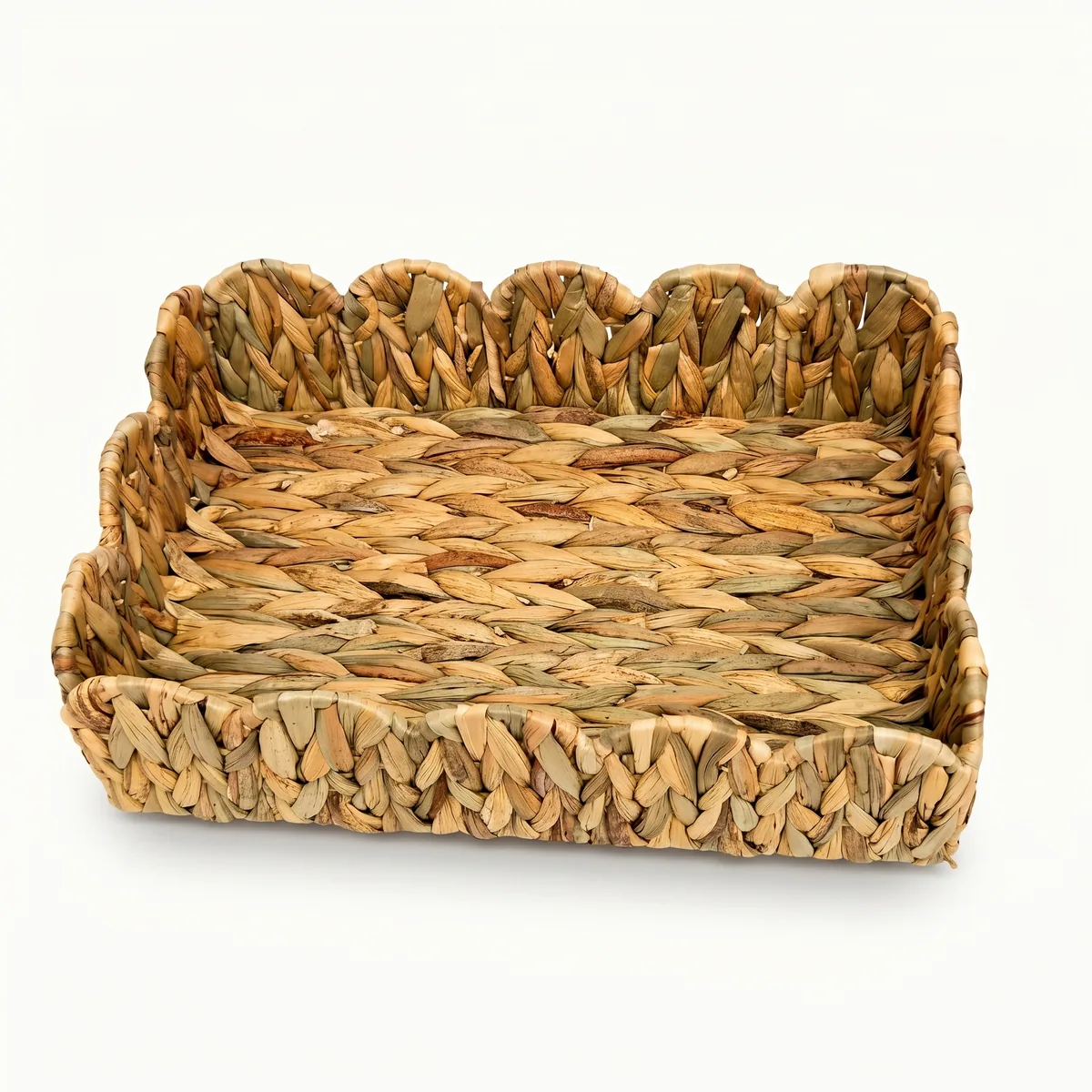
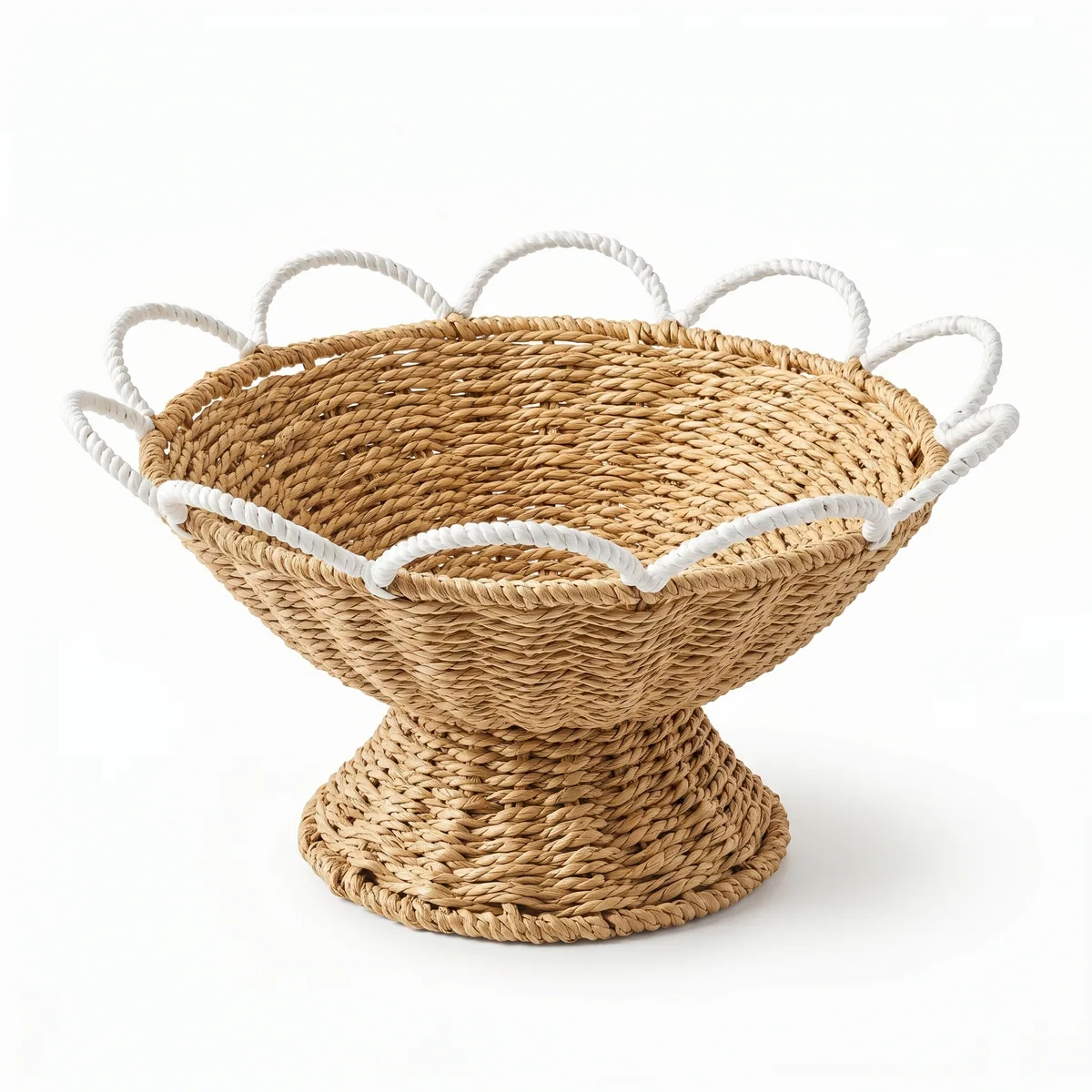
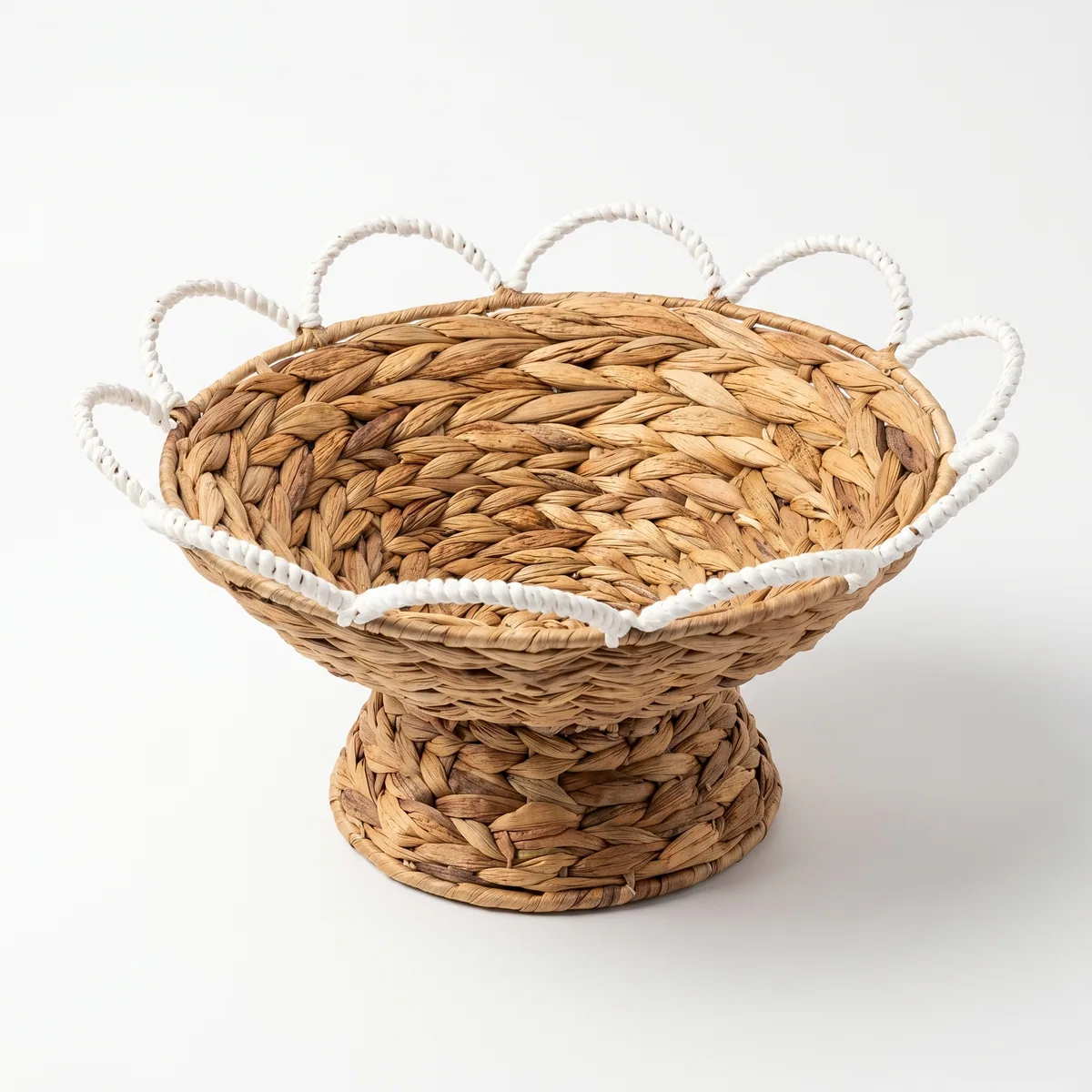
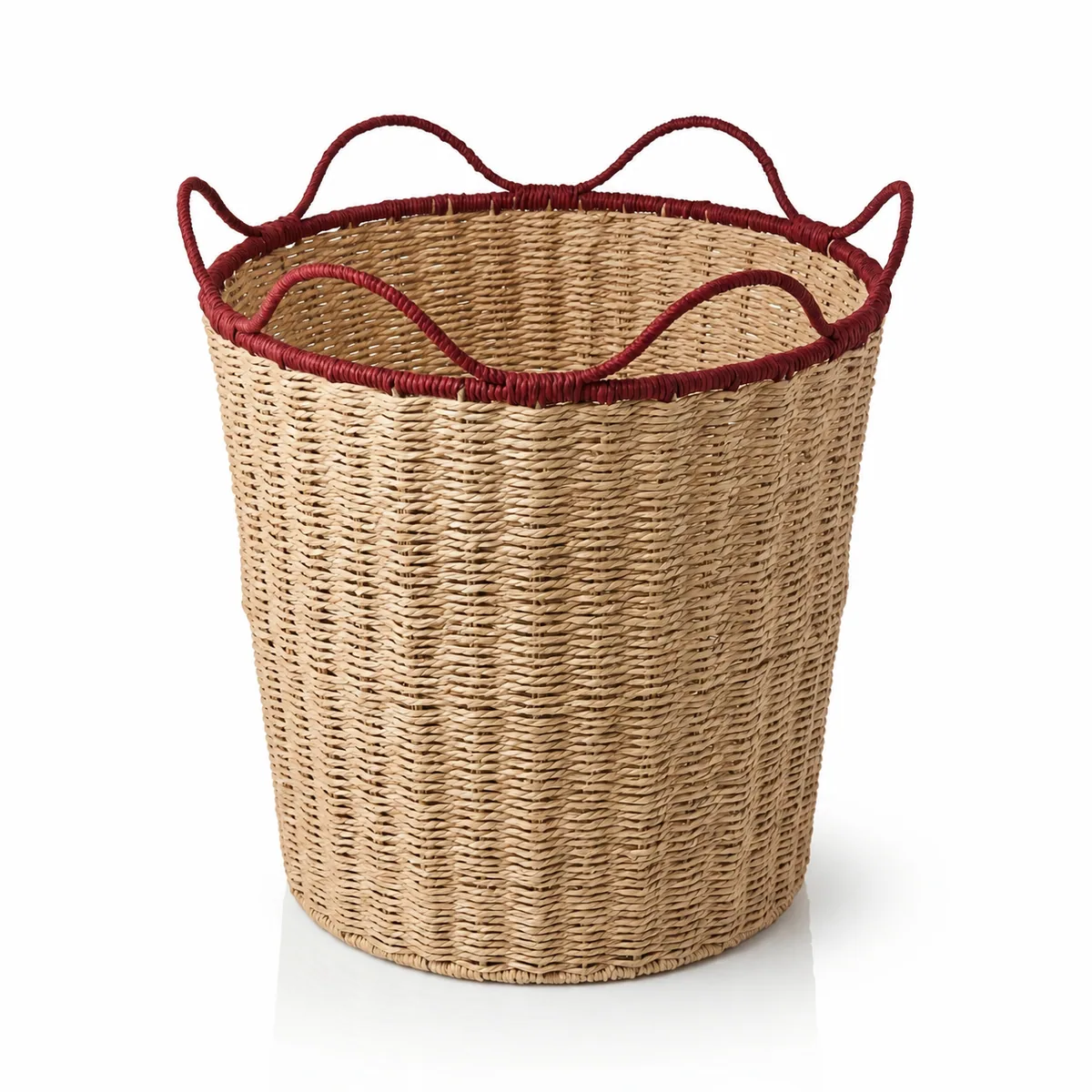
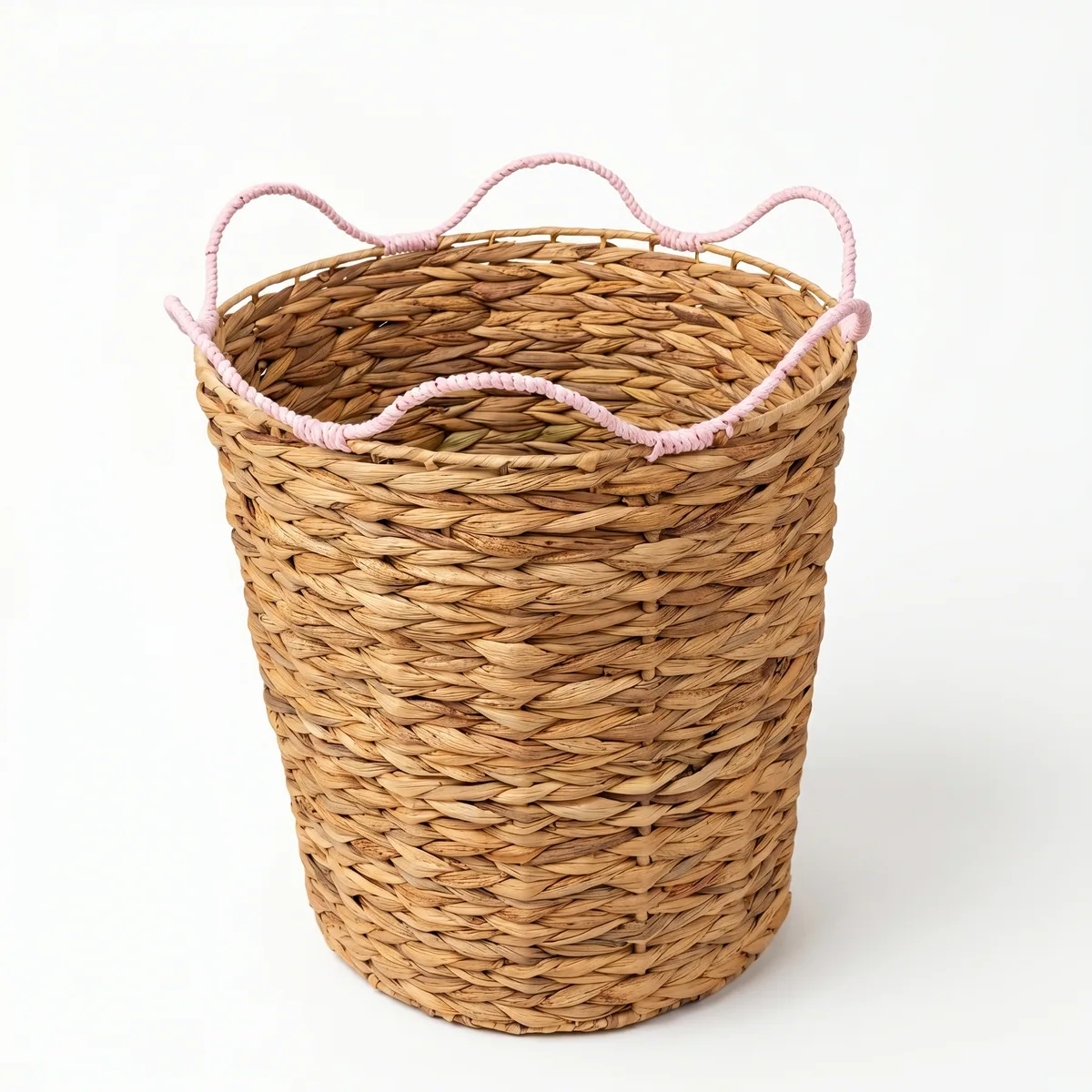
For a comparable development request, send the target design, dimensions, preferred material, quantity and packaging requirements.
Discuss a comparable sampleDirect selection rule: choose a construction, not a material label
- Use this reference to narrow an initial design direction, not to award a universal score. Start with the finished product requirement: where the basket will be used, what it must hold, which surfaces users will touch, whether it must nest, how it will be displayed, and which visual range the assortment can accept. Then define the supporting construction, including frame, base, rim, handle, lid, lining, stitching, coating and packing. The visible fiber is only one part of the product. Two baskets sold under the same material name may have different shape control, usable volume and handling because their strand size, weave and support are different.
- A defensible selection has three layers. The first is identity: the supplier records what the visible material and other components actually are. The second is design fit: the finished sample meets agreed dimensions, appearance, use and packing checks. The third is commercial fit: the quotation states the same construction, quantity, labels, packaging and delivery basis that the buyer evaluated. If one layer is missing, a comparison can become misleading. A photograph may support an aesthetic discussion, but it cannot establish composition, load performance, moisture condition, tariff treatment or finished-product environmental impact.
Paper rope: define the paper form and the supporting structure
- Paper rope is a useful design direction when a buyer wants a visibly woven paper surface, specific color placement or coordinated shapes, but the words paper rope do not complete a specification. Record the rope or braid reference, width or diameter, color standard, weave direction, density, frame material, rim and base construction, handle attachment and any surface treatment. Ask whether other fibers, wire, board, adhesive, stitching or lining are present. Those details affect product description, handling and claims. The United States Harmonized Tariff Schedule Chapter 46 includes strips of paper among materials suitable for plaiting, while excluding certain textile yarn forms, which illustrates why the actual form and construction matter.
- Evaluate paper rope on the finished sample. Check edge finishing, exposed frame points, surface scuffing under the agreed handling method, color appearance under the buyer's viewing condition, shape after the proposed nesting cycle and recovery after unpacking. Do not assume waterproofing, outdoor suitability, a fixed tolerance or a specific load. If a coating is requested, identify it separately and review how it changes touch, appearance, labeling and disposal claims. A paper-based visible weave also does not establish recycled content, recyclability, biodegradability or a lower life-cycle impact without product-specific evidence.
Water hyacinth: approve plant-fiber identity, texture range and moisture controls
- Water hyacinth is the common trade name associated with Pontederia crassipes, for which Eichhornia crassipes appears as a synonym in Kew's Plants of the World Online. That botanical reference helps identify the plant; it does not prove the composition, origin, drying method or environmental result of a particular basket. For purchasing, the supplier should identify the visible plaiting material, supporting frame, any mixed fibers, finish and lining. Approve a physical reference showing acceptable strand width, color variation, joints, broken ends, surface feel and weave transition because a broad lifestyle image cannot define the acceptable range.
- The packing review should be part of material approval. Agree how moisture condition will be checked, when it will be checked, how goods will be protected during storage and loading, and what happens if odor, visible mold, staining or excessive deformation is found. The buyer should set the method and acceptance criteria with qualified parties; this page does not supply a universal moisture percentage. Also evaluate rim pressure, nesting contact, separators, ventilation choices and carton compression against the actual item. A plant harvested from an aquatic species is not automatically evidence that the finished basket is eco-friendly, restorative, chemical-free or suitable for damp use.
Seagrass: turn a broad trade term into a traceable specification
- Seagrass is often used as a retail or sourcing label, but the label alone may not identify a botanical species, plant part, origin, preparation or mixed construction. Require the supplier to state the commercial material name used in its records and, when origin or species is important to labeling or customs, obtain the supporting documentation needed by the importer. Do not infer that every product called seagrass is made from the same input or has the same performance. Record strand form, weave, frame, rim, base, handles, finish and lining, then retain a sealed or otherwise controlled approval reference suited to the buyer's process.
- For the sample, define an acceptable visual range rather than demanding photographic uniformity without examining feasibility. Check shedding or loose ends using an agreed method, contact surfaces, stability, dimensions, shape, nesting and carton recovery. If the basket will carry weight, sit on a delicate surface or be used near moisture, create product-specific checks instead of relying on the material name. Customs and product descriptions should reflect the actual construction and destination rules. A supplier's invoice phrase is an input for review, not a binding classification decision, and buyers should confirm codes and declaration detail with their customs professional.
Cotton rope: confirm fiber composition and sewn-rope behavior
- Cotton rope can support a soft, textile-like visual direction, but the buyer must confirm whether the rope is cotton, a blend or another textile construction. Color, stitching thread, internal reinforcement, handles, base inserts, labels and accessories should be listed separately. Do not describe the complete basket as all cotton unless every relevant component and the basis for that wording have been verified. Because textile rope may fall outside the Chapter 46 definition used for certain plaiting materials, customs classification should be reviewed from the actual construction rather than copied from a plant-fiber basket.
- Sample checks should focus on the intended product, not a generic promise about softness or safety. Record dimensions in the agreed condition, wall and base behavior, seam alignment, thread security, handle construction, surface feel, color reference, soil visibility and shape after the proposed pack-out. If the basket arrives compressed, define an unpacking and recovery procedure and a time point for assessment. For children's rooms, food contact, bathrooms or other specific uses, the destination market and intended-use assessment may introduce additional requirements. The material name by itself is not a safety, chemical or compliance result.
Comparison matrix: what each direction reopens
- The practical difference among these directions is the set of questions they reopen. Paper rope requires precise documentation of the paper form, color, frame and exposure conditions. Water hyacinth requires an approved natural texture range plus a defined moisture and packing plan. Seagrass requires clarification of what the trade name means in the offered product and how variation will be controlled. Cotton rope requires fiber-composition confirmation and evaluation of sewn-rope shape and recovery. None of those starting points guarantees a price tier, retail positioning, durability, packing efficiency or complaint rate.
- Compare alternatives on one worksheet. Use the same target dimensions, intended use, quantity by SKU, label scope, retail pack, export pack, inspection basis and delivery term. Mark each row as documented, sample-confirmed, test-confirmed, buyer decision pending or not applicable. Where a supplier proposes a substitution, record the changed construction and request a new sample for affected attributes. This prevents a low quotation from winning because it silently assumes a lighter frame, different packing, wider variation or fewer included services.
Sample and RFQ evidence required before selection
- A material-selection RFQ should include reference images or drawings, outside and usable dimensions, intended use, load or handling scenario, target visual direction, acceptable variation, frame and component preferences, quantity by item, destination, labels, retail presentation and export packing. Ask the supplier to return the proposed material description, component list, construction notes, sample plan, quotation assumptions and exceptions. When a property matters, define the check method and acceptance threshold with the responsible buyer, laboratory, retailer or compliance adviser before treating the property as approved.
- Retain an evidence pack after the decision: dated material reference, approved finished sample revision, annotated measurements, color or texture range, component list, use-check record, pack-out photographs, carton data, approved label copy and the matching quotation. The retained blogs on material substitution, paper rope cautions, water hyacinth moisture review and cotton-rope programs explain development after an initial direction has been chosen. This page stays narrower: it is the first-selection table that tells a buyer what must be known before any material name can become an approved product specification.
Buyer comparison table
JINZHAO CRAFT factory recommendation
For a practical factory quote, share a reference image, target dimensions, material direction, expected order quantity, logo or label needs, retail/export packaging requirements and destination market. JINZHAO CRAFT can then discuss material feasibility, sample direction, MOQ, production timing and export carton planning for the woven storage product.
Primary sources
These references support the defined standards, regulatory context, or buyer process described above. Product-specific obligations and commercial terms still require confirmation for the actual order.
- Harmonized Tariff Schedule Chapter 46 — United States International Trade Commission
Defines materials included in the Chapter 46 expression plaiting materials and shows why material form matters; it does not classify an unspecified finished basket.
- Pontederia crassipes Mart. — Royal Botanic Gardens, Kew
Botanical identity reference for water hyacinth and its accepted name; not evidence for a product's composition, origin or environmental performance.
- Environmental Claims: Summary of the Green Guides — Federal Trade Commission
United States guidance on substantiating and qualifying environmental marketing claims; not a product certification.
- Paper Rope Material Category — JINZHAO CRAFT
First-party catalog evidence that JINZHAO CRAFT publishes paper-rope products and project-specific sourcing notes; catalog statements remain subject to current RFQ confirmation.
FAQ
Which material is best for a wholesale storage basket?
There is no universal best material. Select the direction that can meet the product's intended use, visual range, construction, packing and evidence requirements. Compare approved finished samples and normalized quotations, not generic material rankings.
Is paper rope more consistent than water hyacinth or seagrass?
Consistency must be defined for the actual product. A buyer may control paper-rope color and construction through references, while plant-fiber products may require an approved variation range. Neither outcome should be promised before samples and acceptance criteria are reviewed.
Can water hyacinth or seagrass baskets be called sustainable?
The material name alone is insufficient. The proposed claim must identify its scope and be supported by current evidence for the relevant product, components, sourcing and market. Broad unqualified environmental claims should be avoided.
Is a cotton rope basket suitable for children's storage?
That depends on the complete design, intended age and use, destination market, components, construction and required assessments. Confirm composition and product-specific safety requirements; cotton wording is not a compliance result.
What should be identical when comparing supplier quotations?
Align material and components, dimensions, weave or sewing construction, frame, accessories, quantity by SKU, labels, retail and export packing, inspection scope, delivery basis and timing assumptions. Ask suppliers to list every exception.
Does this comparison determine the customs code?
No. It identifies information needed for review. The importer or qualified customs professional should classify the actual product under the current destination schedule after examining material form, composition, construction and use.
Products relevant to this guide
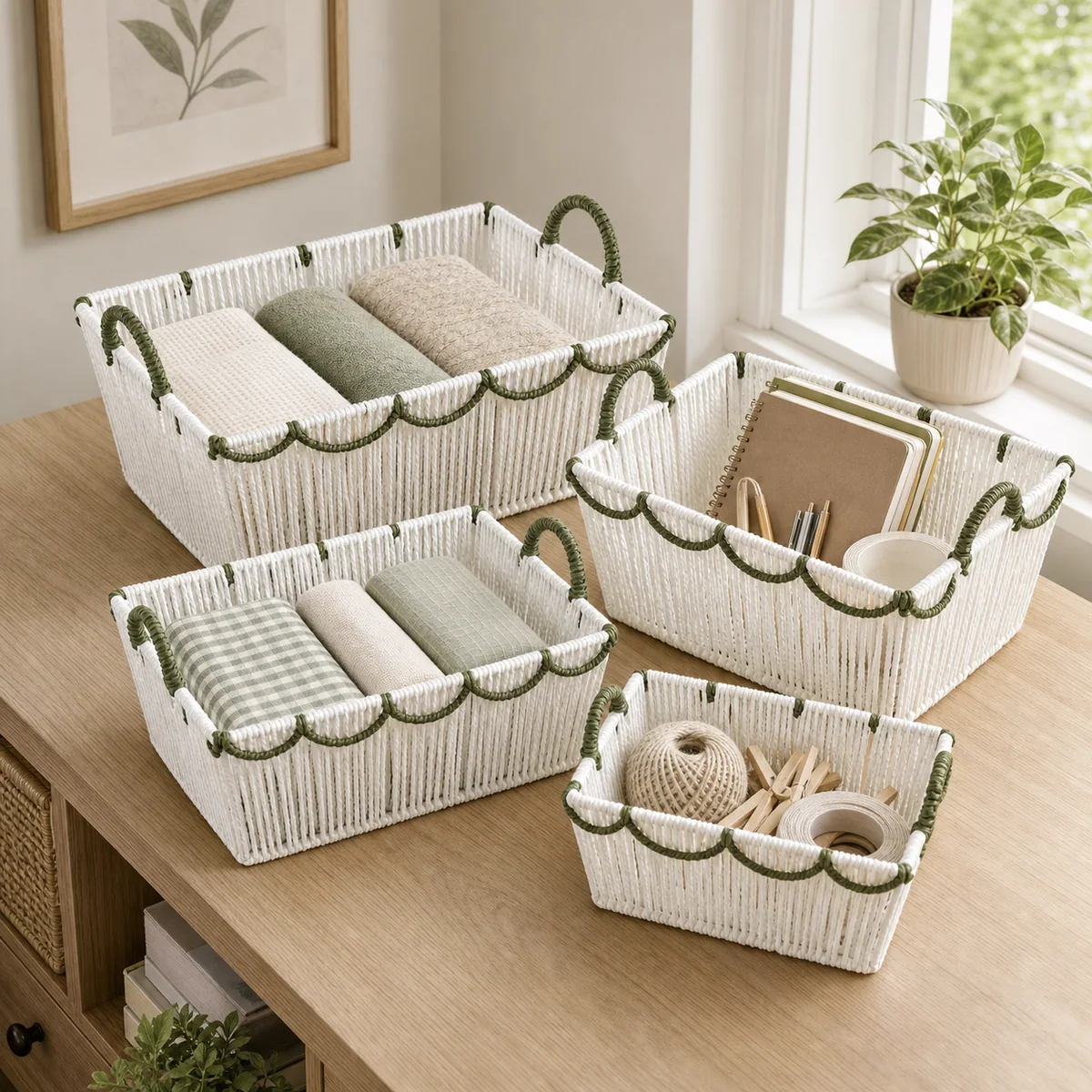
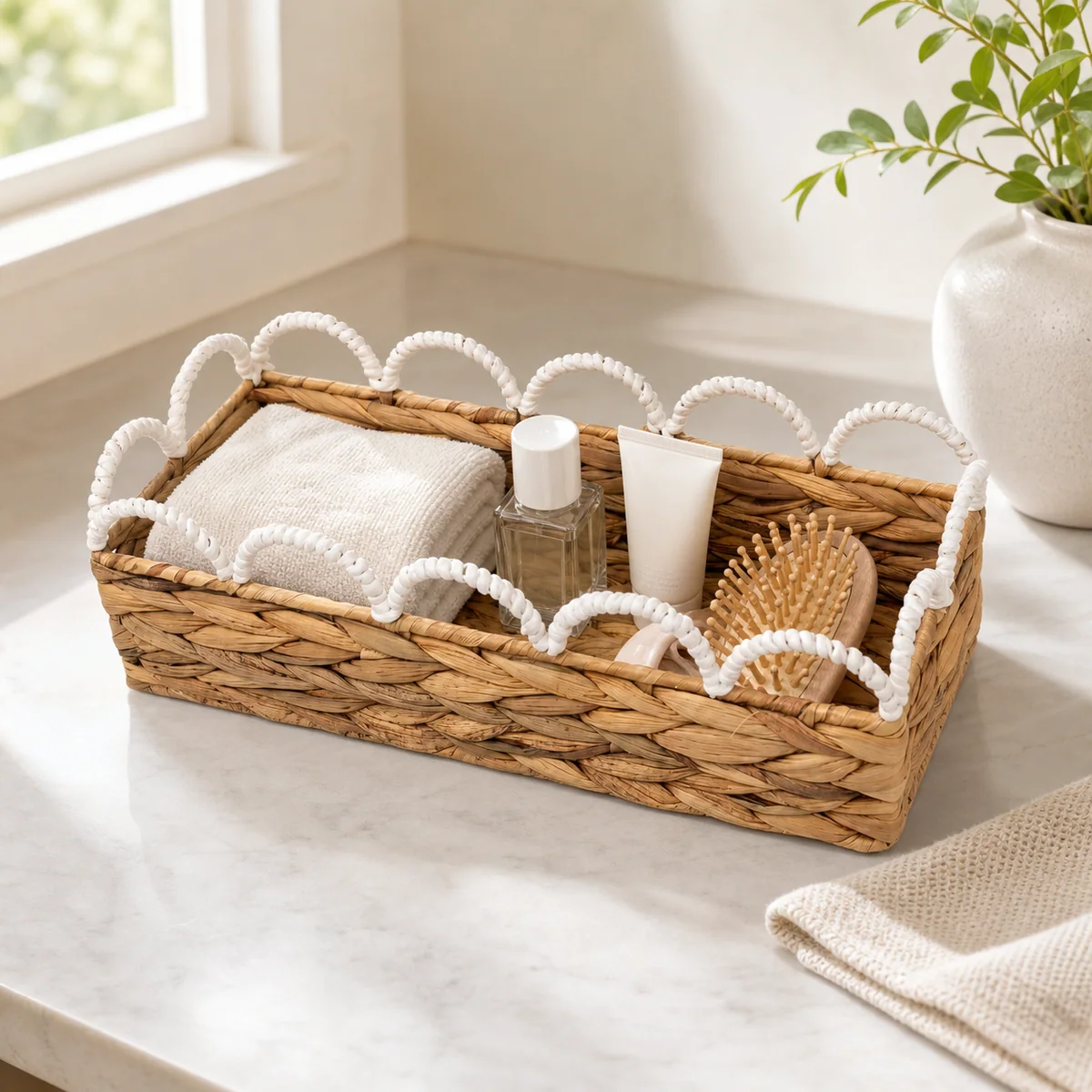
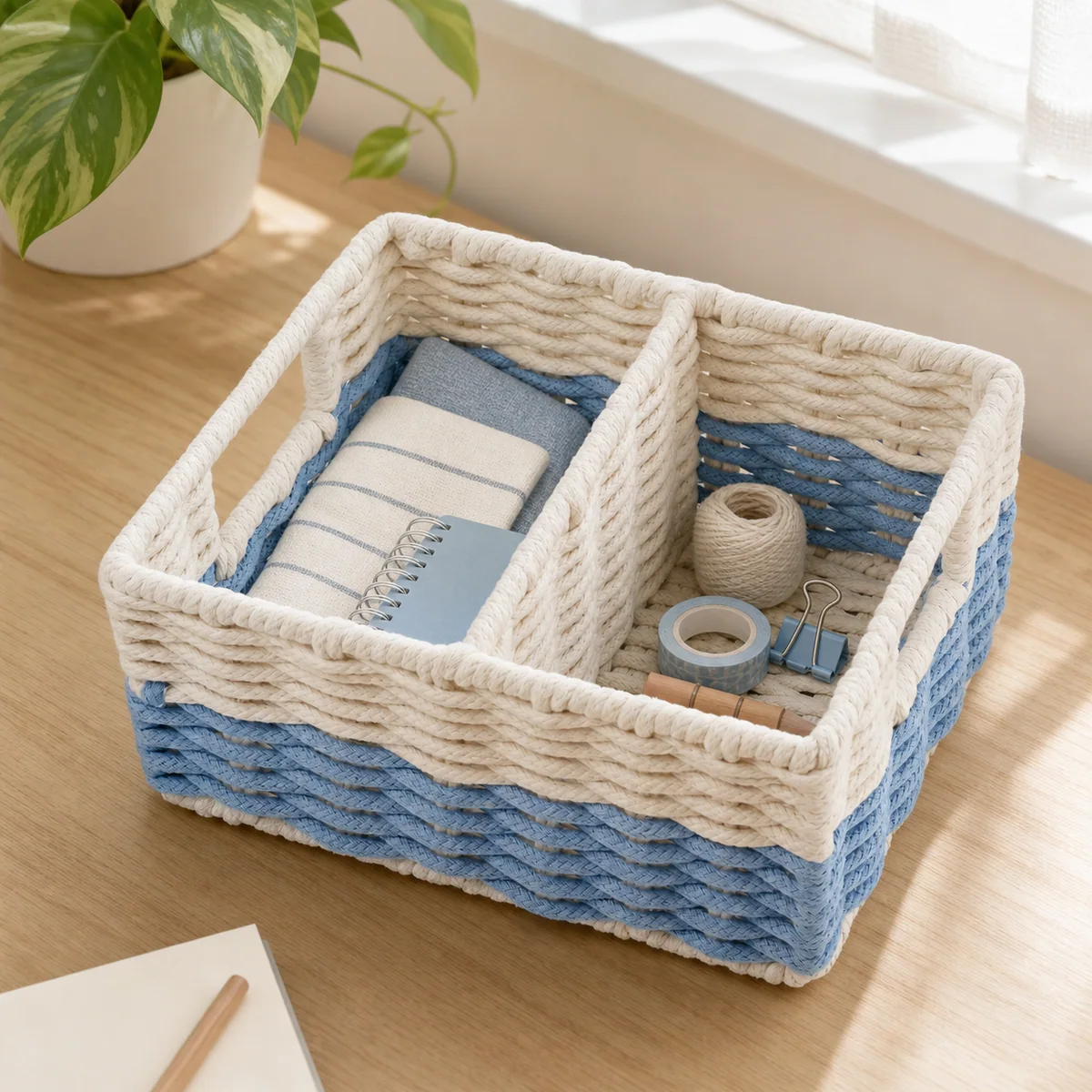
Review current factory product examples, then send target dimensions, quantity and customization requirements for an exact quotation.
Continue learning
Material-Aware Care and Use Guide for Woven Baskets
Create accurate care instructions for paper rope, water hyacinth and cotton rope baskets. Check material, frame, finish and cleaning evidence for each SKU.
Read guide →Compliance & ClaimsNatural Fiber Basket Terminology, Customs and Claim Evidence Notes
A buyer reference for naming woven materials, documenting composition, reviewing customs descriptions and controlling environmental claims.
Read guide →Materials & ConstructionPaper Rope Construction and Finish Specification Reference
Define paper form, support, frame, weave, joints, finish, adhesive, accessories, liner, zones, evidence, and change control for paper-rope baskets.
Read guide →Materials & ConstructionWater Hyacinth and Seagrass Identity, Moisture and Variation Specification
A buyer reference for declaring water hyacinth and seagrass identity, approving natural variation, and controlling material, moisture, storage, and pack condition without invented universal limits.
Read guide →